序幕:圣克拉拉的秋日惊雷
Prologue: An Autumn Thunderclap in Santa Clara
2026年11月12日,星期四,加州圣克拉拉。
Santa Clara, California. Thursday, November 12, 2026.
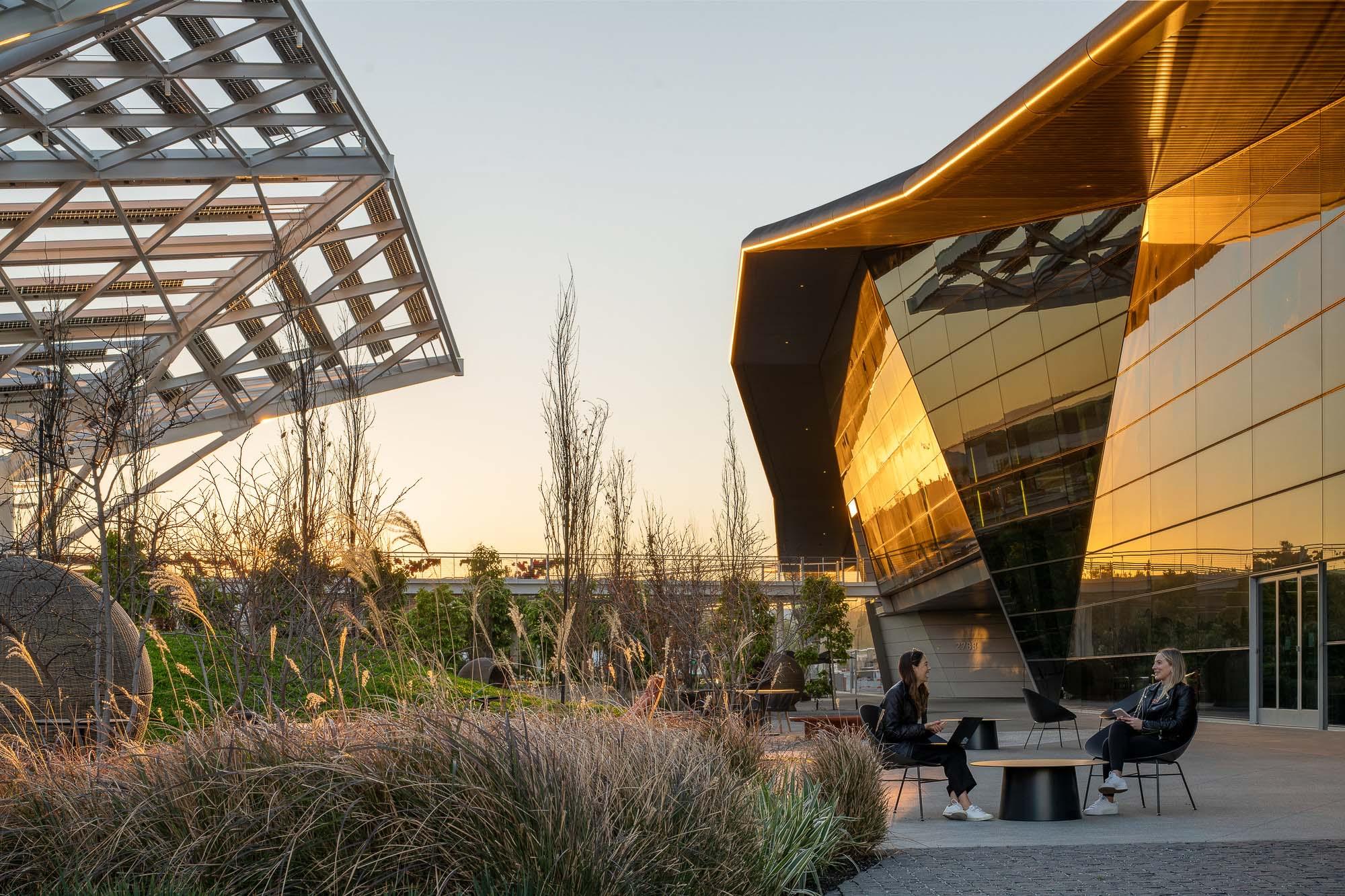
深秋的硅谷午后依然带着微凉的阳光,斜照在圣托马斯高速公路旁那两座巨大的三角形玻璃建筑上——“奋进号”(Endeavor)与“旅行者号”(Voyager)。这两座耗资逾十亿美元打造的英伟达总部大楼,内部完全摒弃了传统办公楼的承重墙与封闭走廊,以宽阔的舷梯和开放的中央中庭相连。它们的设计者曾骄傲地宣称,这正是为了映射创始人黄仁勋(Jensen Huang)的终极管理意志:没有层级,没有死角,所有人的视线与信息都毫无遮挡地汇聚于中心。
The late-autumn afternoon in Silicon Valley still carried a thin, cool sunlight, slanting across the two enormous triangular glass buildings beside the San Tomas Expressway—Endeavor and Voyager. Built at a cost of more than one billion dollars, these twin headquarters of NVIDIA had abandoned entirely the load-bearing walls and enclosed corridors of the conventional office tower, joined instead by broad ramps and an open central atrium. Their architects had proudly declared that this design was meant to mirror founder Jensen Huang's ultimate philosophy of management: no hierarchy, no blind spots, every gaze and every current of information converging, without obstruction, on the center.
然而在这个下午,这座原本为极致透明而生的玻璃宫殿里,空气却凝固得如同铅块。
Yet on this afternoon, inside this glass palace built for perfect transparency, the air had congealed like lead.
美东时间下午收盘钟声敲响后不久,一封冷峻得近乎残酷的新闻稿从这里发向全球金融终端与媒体编辑部。没有华丽的排比,没有对三十三年峥嵘岁月的深情回眸,甚至——令所有华尔街分析师和硅谷观察家倒吸一口凉气的是——通篇没有一句来自创始人本人的引述。
Not long after the closing bell rang in the East, a press release, austere to the point of cruelty, went out from here to financial terminals and newsrooms around the world. No ornate parallel phrases, no fond look back across thirty-three turbulent years—and, drawing a single sharp breath from every analyst on Wall Street and every watcher of Silicon Valley, not one quotation from the founder anywhere in the text.
公告只有短短几段标准法务辞令:现年六十三岁的黄仁勋辞去英伟达总裁、首席执行官及董事会成员职务,即刻生效;执行副总裁兼首席财务官科莱特·克雷斯(Colette Kress)出任临时CEO;董事会已同步启动内部与外部的正式继任者遴选程序。
The announcement ran only a few short paragraphs of standard legal language: Jensen Huang, sixty-three, was stepping down as President, Chief Executive Officer, and member of the board of NVIDIA, effective immediately; Executive Vice President and Chief Financial Officer Colette Kress would take over as interim CEO; and the board had simultaneously set in motion a formal process, internal and external, to select a successor.

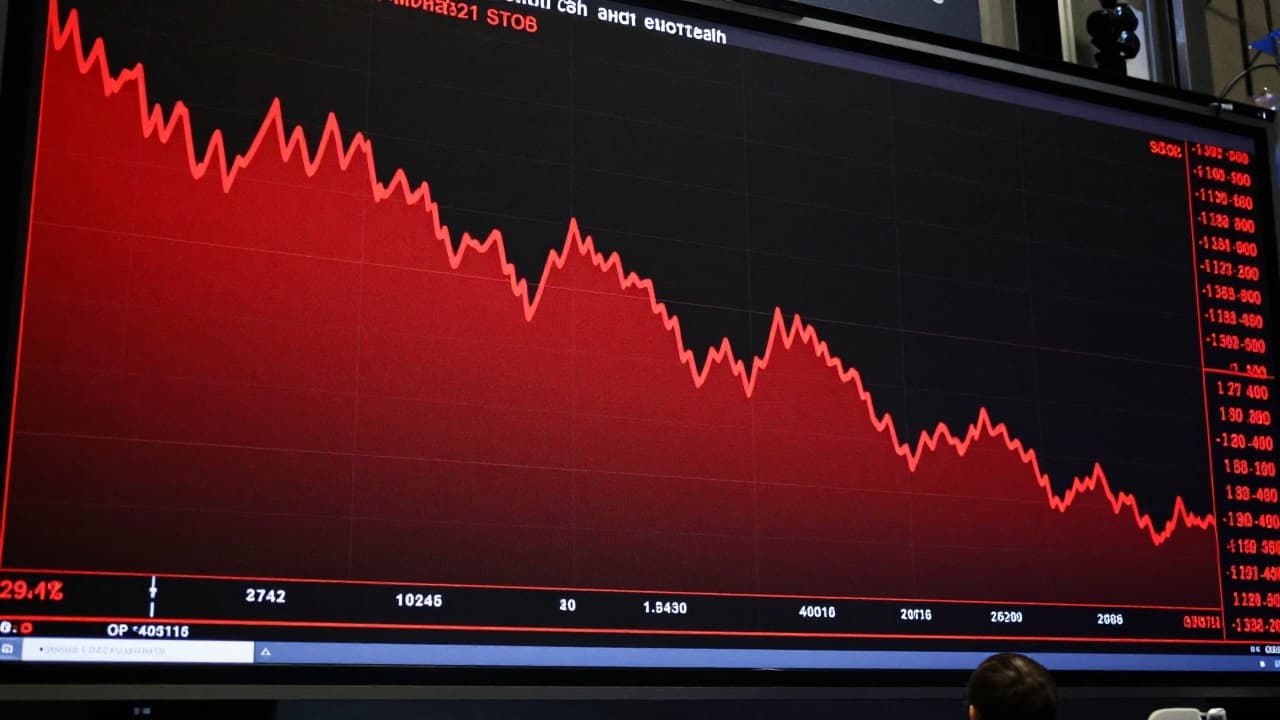
消息弹出的瞬间,盘后交易屏幕上的绿色数字骤然翻红,数千亿美元市值在短短几十分钟的恐慌抛售中灰飞烟灭。从旧金山湾区的风险投资机构,到纽约曼哈顿的对冲基金交易室,再到台北新竹科学园区的晶圆厂高管办公室,无数人的手机在同一秒疯狂震动。所有人都盯着屏幕上那几行字,试图确认这不是一场恶作剧或黑客攻击。
The instant the news appeared, the green figures on the after-hours screens flipped to red, and hundreds of billions of dollars in market value burned away in a few short minutes of panic selling. From the venture firms of the San Francisco Bay Area to the hedge-fund trading floors of Manhattan to the executive suites of the wafer fabs in Taipei and Hsinchu Science Park, countless phones shook violently in the same second. Everyone stared at those few lines of text, trying to confirm that this was not a prank or a hacker's handiwork.
毕竟,就在不到一个月前,这个男人还是人类商业史上最接近“神坛”的科技君王。
After all, barely a month earlier, this man had still been the tech sovereign who stood nearer to the altar of the gods than anyone in the history of modern business.
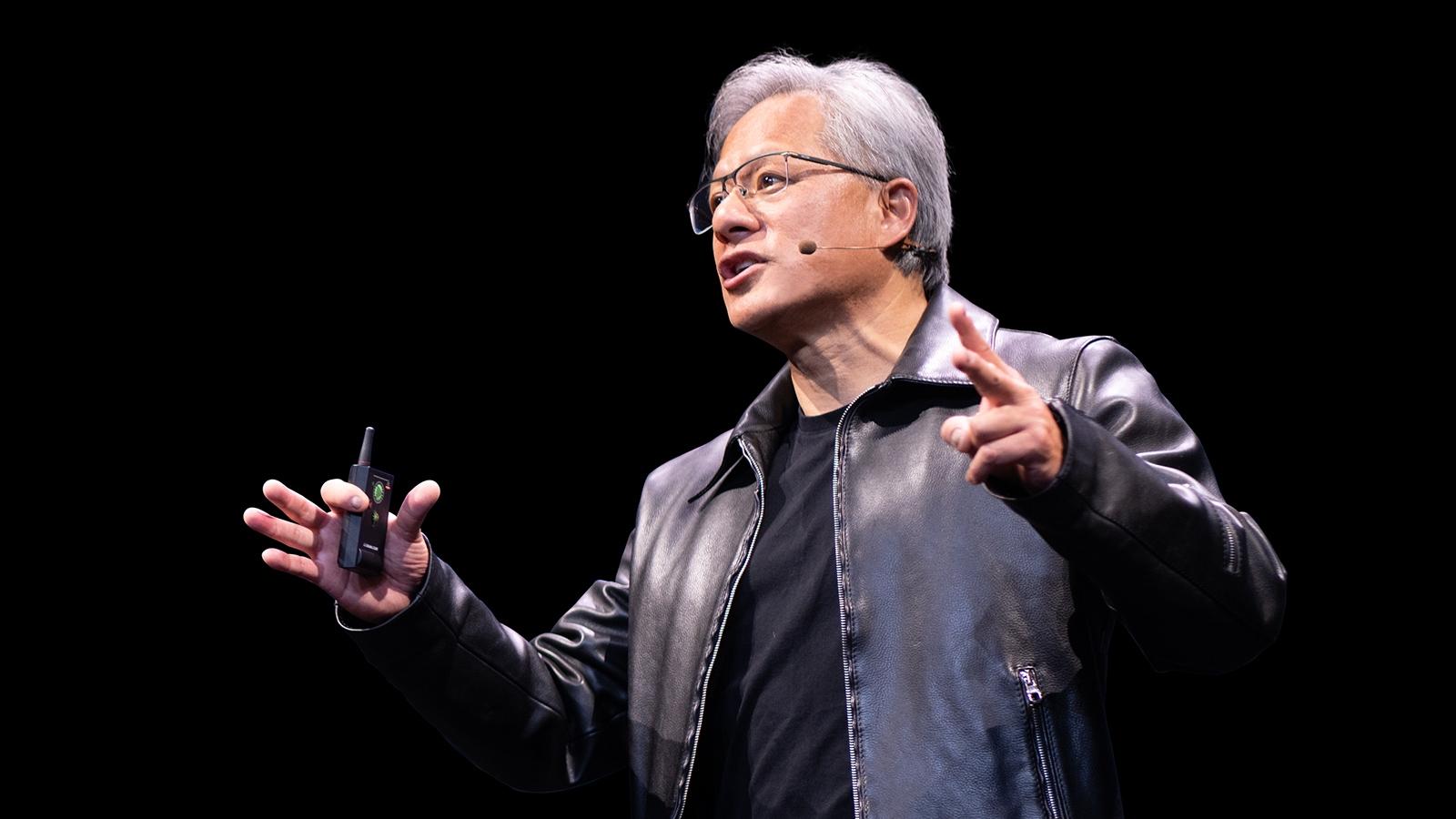
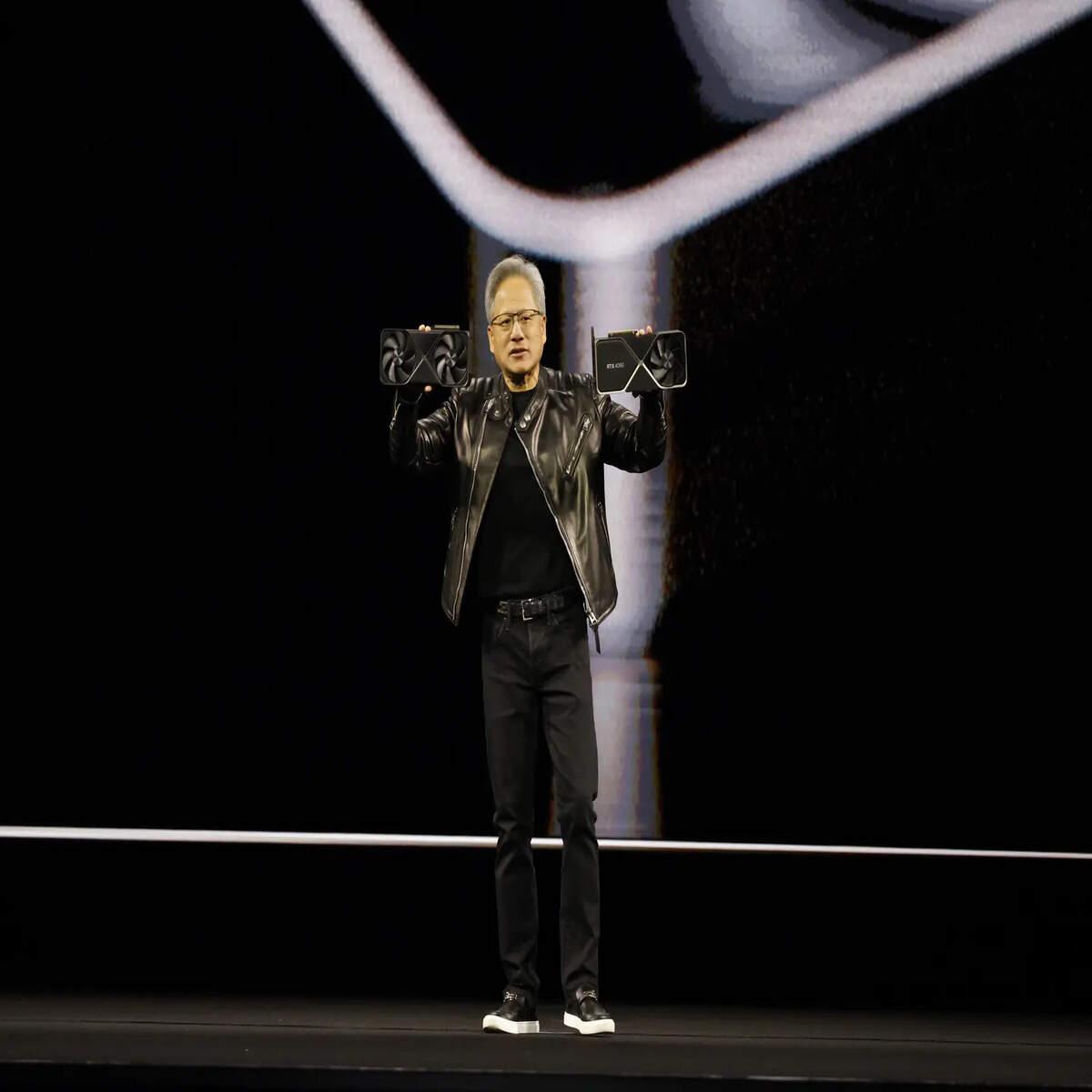
如果将时间的胶片倒回几个月前的圣何塞SAP中心,你会看到截然不同的另一幅图景。那是被硅谷戏称为“AI界伍德斯托克音乐节”的GTC大会现场。当舞台灯光骤暗,一束追光刺破黑暗,身裹标志性黑色皮衣、一头银发向后梳得一丝不苟的黄仁勋快步走上台中央时,全场一万六千名工程师、创业者与华尔街巨头爆发出山呼海啸般的欢呼。
Rewind the filmstrip of time a few months, to the SAP Center in San Jose, and a wholly different picture appears. This was GTC, the conference Silicon Valley liked to tease as the Woodstock of AI. When the stage lights fell abruptly dark and a single spotlight cut through the black, and Jensen Huang—wrapped in his signature black leather jacket, silver hair combed back without a strand out of place—strode briskly to the center of the stage, the sixteen thousand engineers, founders, and Wall Street titans in the hall erupted in a roar like landslide and tidewave.
在那个舞台上,他双手托起一块造价堪比超跑的次世代GPU晶圆,像摩西展示十诫石板一样向世界宣告算力新纪元的降临。在过去的三年里,从Hopper到Blackwell,再到全面铺开的Rubin架构,他亲手将一家曾经险些倒闭的游戏显卡作坊,锻造成了市值一度突破四万亿美元的算力帝国。科技巨头们排着队向他求购芯片,各国元首在总统府与皇宫里奉他为座上宾,倾听他推销“主权AI”的宏大蓝图。
On that stage he had lifted in both hands a next-generation GPU wafer that cost as much as a supercar and, like Moses holding up the stone tablets of the Ten Commandments, proclaimed to the world the arrival of a new epoch of computing power. Over the three years past, from Hopper to Blackwell to the Rubin architecture now deployed on every front, he had forged with his own hands a nearly bankrupt workshop making gaming graphics cards into a computing empire whose market value had at one point crossed four trillion dollars. Technology giants queued up to buy his chips; heads of state received him as an honored guest in presidential palaces and royal courts, listening as he laid out his grand blueprint for sovereign AI.
那时的黄仁勋,不仅拥有无可匹敌的商业战绩,更拥有一套在充满狗血与背叛的硅谷堪称异类的完美道德铠甲。
The Jensen Huang of that moment possessed not only an unmatched record of commercial victory; he possessed a flawless suit of moral armor that made him, amid the melodrama and betrayal of Silicon Valley, something of an anomaly.
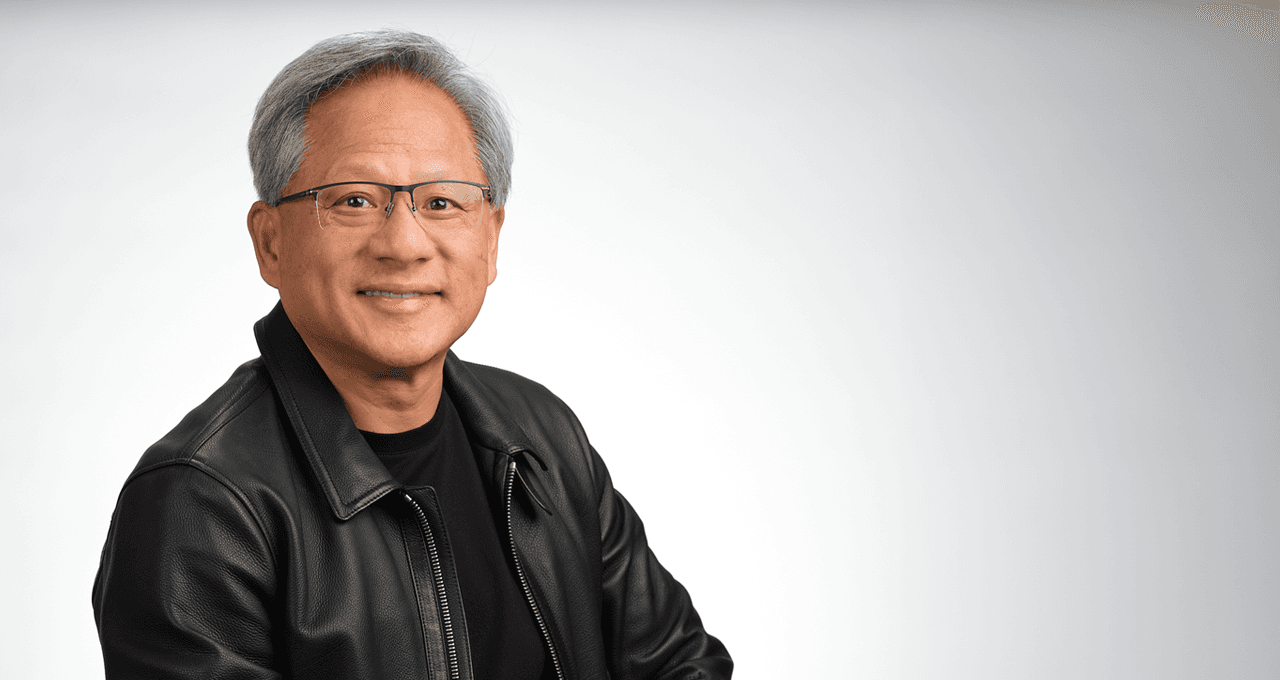
在无数次访谈与公开演讲中,人们津津乐道于那个仿佛童话般的私人剧本:一个九岁孤身赴美、在肯塔基州寄宿学校刷过全楼厕所、十五岁在丹尼餐厅端盘子洗碗的苦难移民少年;一个在俄勒冈州立大学的工程实验室里对初恋女友一见钟情,相守四十余年零绯闻的绝世好丈夫;一个为了兑现股价破百美元的赌约,在左肩刺下公司Logo时疼得像孩子一样流泪的性情中人。硅谷曾出现过冷酷无情的史蒂夫·乔布斯、狂飙突进的埃隆·马斯克、少年老成的马克·扎克伯格,但唯独黄仁勋,把“铁血暴君般的执行力”与“夜市邻家大叔般的温情”,天衣无缝地缝合在了同一件黑色皮衣之下。
In interview after interview and speech after speech, people relished that fairy-tale-like private script: the hardship-marked immigrant boy who crossed the ocean alone at nine, scrubbed every bathroom in a Kentucky boarding school, and waited tables and washed dishes at fifteen at a Denny's; the perfect husband who fell in love at first sight with his first girlfriend in an engineering lab at Oregon State University and stayed true to her for more than forty years without a breath of scandal; the man of feeling who wept like a child from the pain of tattooing the company logo onto his left shoulder to honor a bet that the stock would break one hundred dollars. Silicon Valley had known the coldly ruthless Steve Jobs, the charging Elon Musk, the precocious Mark Zuckerberg—but Jensen Huang alone had sewn iron-tyrant execution and the warmth of the night-market uncle next door seamlessly beneath the same black leather jacket.
没有人相信这座雕像会裂开。直到2026年深秋,裂纹在短短十四天内演变成了一场吞噬一切的雪崩。
No one believed the statue could crack. Then came the deep autumn of 2026, when within fourteen short days the cracks became an avalanche that swallowed everything.
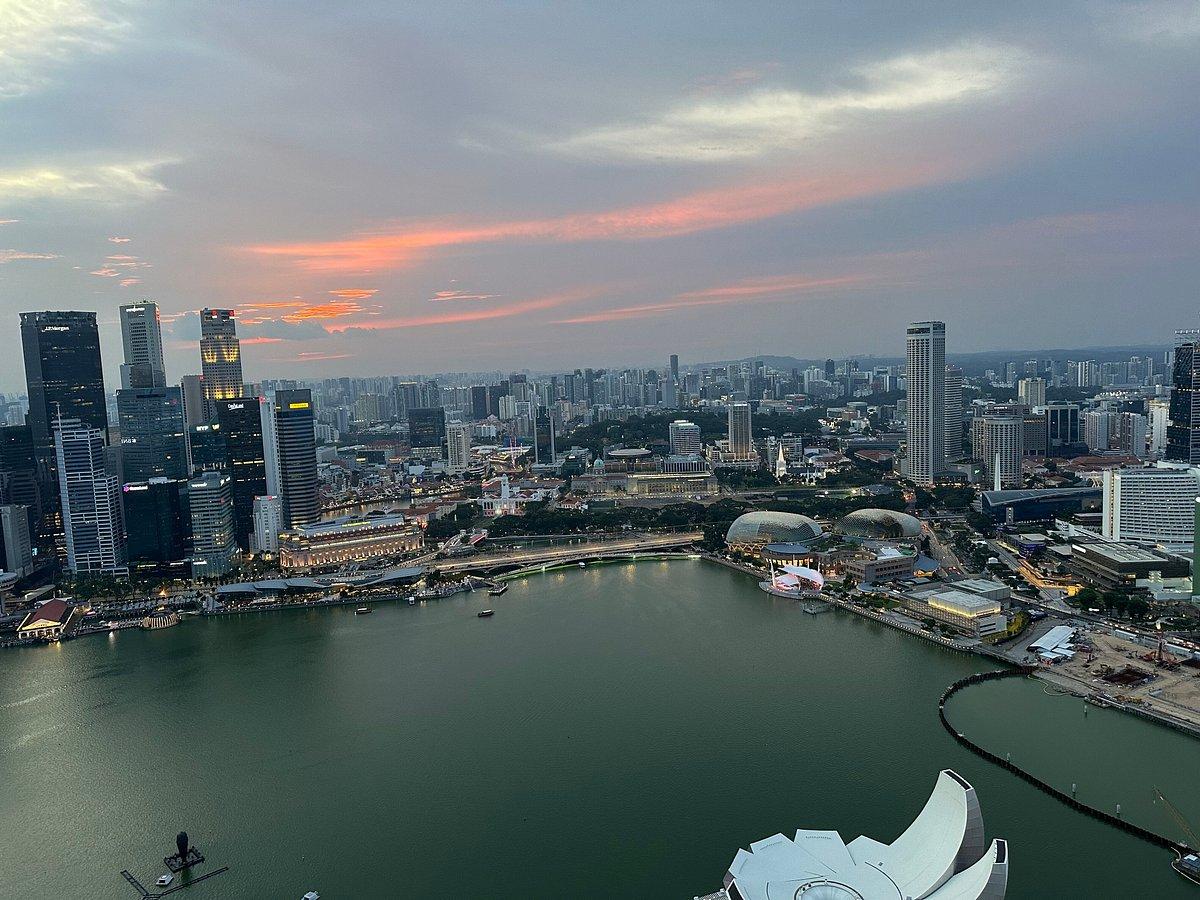
风暴的引信最初埋藏在太平洋彼岸的算力暗流之中。10月29日,《纽约时报》的一篇深度调查撕开了第一道口子:一家在新加坡横空出世、短短一年多内吞吐数十亿美元顶级算力的新兴云服务商Megaspeed,进入了华盛顿情报与监管机构的视野;而执掌这家神秘公司的中国女商人黄乐(Alice Huang),被曝与黄仁勋保持着“令人不安的密切私交”,甚至被美国情报部门怀疑涉足情报收集。
The fuse of the storm had first been buried in the undercurrents of computing power across the Pacific. On October 29, a deep investigation in The New York Times tore open the first breach: Megaspeed, a rising cloud provider that had burst onto the scene in Singapore and in barely more than a year moved billions of dollars' worth of top-tier computing capacity, had entered the sights of Washington's intelligence and regulatory agencies. And Alice Huang, the Chinese businesswoman at the helm of that mysterious company, was reported to enjoy an "unsettlingly close personal friendship" with Jensen Huang—and was even suspected by American intelligence of involvement in intelligence gathering.
起初,英伟达的公关机器试图以“正常的客户往来”轻描淡写地带过。但随着国会山三大委员会的联名传唤函砸向圣克拉拉,地缘政治的滚滚惊雷已无处可躲。
At first, NVIDIA's publicity machine tried to wave it aside as ordinary customer dealings. But when joint subpoenas from three committees of Congress crashed down on Santa Clara, the rolling thunder of geopolitics had nowhere left to hide.
11月8日,星期日,试图断臂求生的黄仁勋向全体员工发出了一封震惊世界的忏悔信。在这封信里,他亲手砸碎了自己经营半生的深情人设,首次公开承认“我对妻子不忠,给深爱的妻子Lori和孩子们带来了难以言喻的伤害”,同时竭力划清底线,发誓自己从未泄露任何公司与国家机密。
On Sunday, November 8, Jensen Huang, trying to survive by cutting off the rotting limb, sent every employee a letter of confession that stunned the world. In it he shattered, with his own hands, the image of the devoted husband he had tended for half a lifetime, admitting in public for the first time that "I have been unfaithful to my wife and caused unspeakable harm to Lori, the wife I love deeply, and to our children"—while straining to draw a line beneath it all, swearing that he had never leaked any company or state secret.
那一刻,硅谷的宽容法则似乎还在起效。董事会公开表态“对Jensen充满信心”,盟友们纷纷私下庆幸他用一场痛彻心扉的私德坦白,勉强稳住了动摇的帅印。
For the moment, Silicon Valley's law of tolerance seemed still to be working. The board declared publicly that it had "full confidence in Jensen," and allies congratulated themselves in private that one confession of private failing, raw enough to wrench the heart, had barely steadied a tottering command.
然而,命运并未给他喘息的机会。仅仅七十二小时后,11月11日,第二颗重磅炸弹轰然落地——媒体再度曝光,黄仁勋的不当关系远不止于外部商业伙伴,更延伸到了英伟达权力金字塔的内部:他与直接向自己汇报的医疗业务副总裁金伯莉·鲍威尔(Kimberly Powell)存在长期私情,两人在会议酒店的亲密画面甚至被目击者拍下;紧接着,关于更多内部越界行为的传闻与股东集体诉讼接踵而至。
But fate allowed him no rest. Merely seventy-two hours later, on November 11, the second bomb fell with a thunderclap: the media revealed that Jensen Huang's improper relationships reached far beyond outside business partners into the interior of NVIDIA's pyramid of power. He had carried on a long-running affair with Kimberly Powell, the vice president of the healthcare business who reported directly to him; intimate images of the two at a conference hotel had even been captured by witnesses. On its heels came rumors of further internal transgressions, and shareholder class-action lawsuits arrived one after another.
这一次,所有的退路都被彻底焊死。
This time, every line of retreat had been welded shut.
极具讽刺意味的是,压垮这位帝国缔造者的最后一根稻草,恰恰源自他亲手设计并引以为傲的制度。在英伟达那本面向数万名员工的《商业行为准则》扉页上,印着黄仁勋亲笔签名的信条——“诚实、正直与零容忍的合规底线”;而在他独创的“六十名高管直接汇报”的极度扁平架构中,下属与最高统帅之间没有任何缓冲带,一旦私情介入,便构成了现代上市公司治理中最致命的利益冲突与权力滥用。
With exquisite irony, the last straw that crushed the builder of the empire came from the very institution he had designed himself and proudly called his own. On the flyleaf of NVIDIA's Code of Business Conduct, circulated to tens of thousands of employees, was printed the creed bearing Huang's own signature—"honesty, integrity, and a compliance bottom line of zero tolerance"; and in the radically flat structure he had invented, with some sixty executives reporting directly to him, there was no buffer at all between subordinates and the supreme commander. The moment a private affair intruded, it constituted the most lethal conflict of interest and abuse of power in the governance of a modern public company.
更致命的冷酷现实写在股权登记册上:这位统治英伟达长达三十三年的精神图腾,手中仅握有公司约3.58%的普通股,既没有扎克伯格那样的AB股超级投票权,也没有任何可以对抗机构股东与华盛顿政治压力的防火墙。当独立律所的调查报告摆上长桌,当白宫与国会山的凝视化作实质性的生存威胁,曾经对他言听计从的董事会,在短短三天内从“全力支持”转向了“准备解雇”。
The colder, deadlier reality was written in the share register. This spiritual totem who had ruled NVIDIA for thirty-three years held only about 3.58 percent of the company's common stock—no Zuckerberg-style dual-class super-voting rights, and no firewall of any kind against institutional shareholders or political pressure from Washington. When the investigative report from the independent law firm was laid on the long table, and the gaze of the White House and Capitol Hill hardened into a tangible threat to survival, the board that had once followed his every word swung, in the space of three days, from "full support" to "preparing to fire."
11月12日,为了保住最后的体面,黄仁勋签下了辞呈,孤身走出了“奋进号”大楼。
On November 12, to keep the last shreds of dignity, Jensen Huang signed his resignation and walked out of the Endeavor building alone.
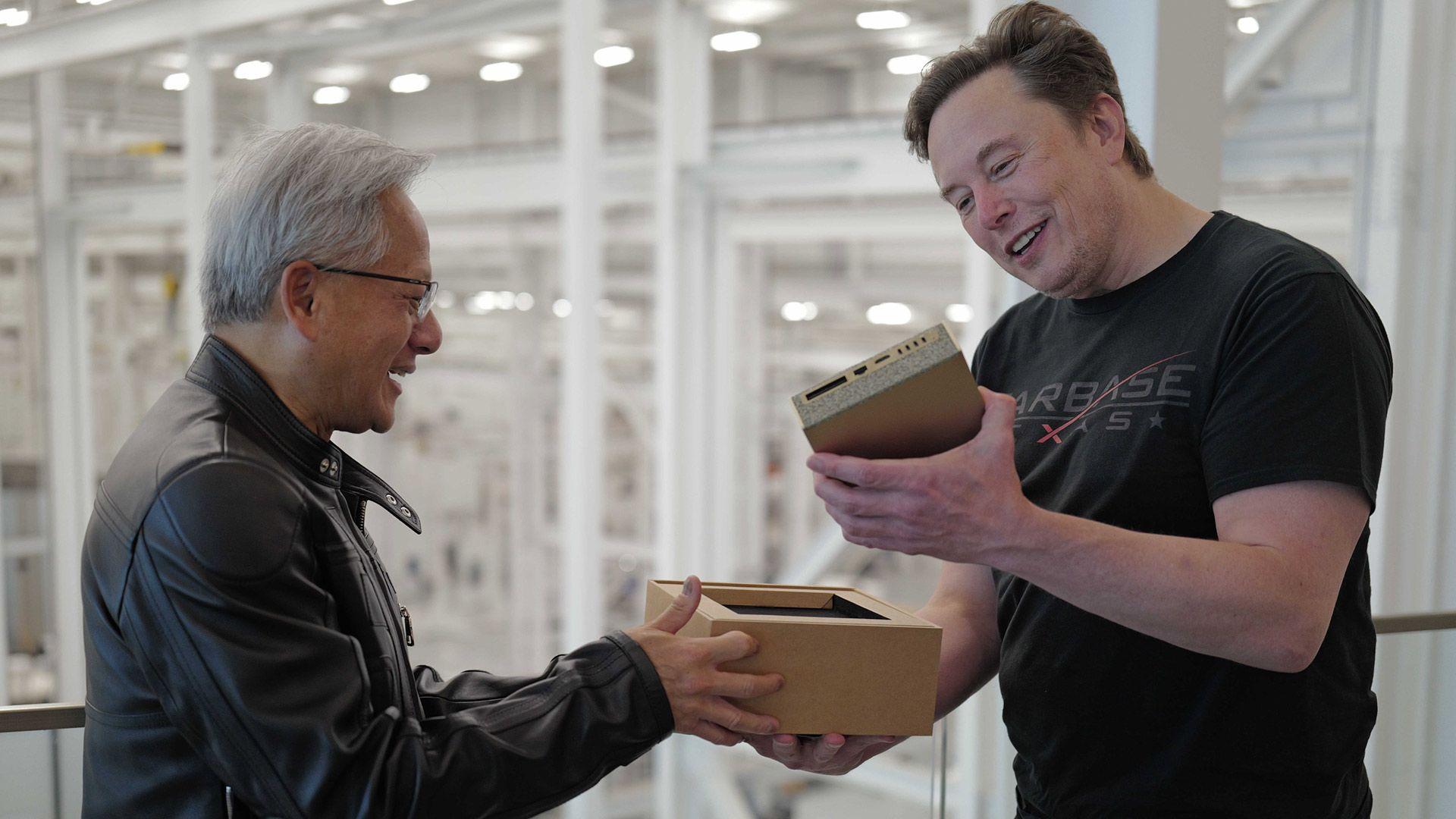
但他留下的真空,远比任何人预想的都要剧烈。在他离开后的短短百余个小时里,整个科技界陷入了一场近乎分裂的狂热拉锯:埃隆·马斯克等硅谷巨头公开发声力挺,超过七千五百名英伟达员工在内部联名请愿,忠诚的盟友们在帕洛奥图秘密组建起“战情室”,试图复刻当年乔布斯重返苹果、奥特曼闪电回归OpenAI的复辟奇迹;而在硬币的另一面,心灰意冷的核心技术骨干开始递交辞呈,华尔街投行连夜下调目标价,美国财政部长则在电视镜头前冷冷定调——英伟达必须进行“大刀阔斧的改组”,绝不允许内部旧势力延续,新任CEO必须来自外部。
But the vacuum he left behind was more violent than anyone had predicted. In little more than a hundred hours after his departure, the entire technology world fell into a near-schismatic tug-of-war of fervor. Titans like Elon Musk spoke out in his defense; more than 7,500 NVIDIA employees signed an internal petition; loyal allies assembled a secret "war room" in Palo Alto, trying to replicate the restoration miracles of Steve Jobs returning to Apple and Sam Altman's lightning return to OpenAI. And on the other face of the coin, heartsick core engineers began handing in their resignations; Wall Street banks cut their price targets overnight; and before the television cameras the U.S. Treasury Secretary set the tone in a cold voice—NVIDIA must undergo a "sweeping overhaul," the old internal forces must on no account be allowed to persist, and the new CEO must come from outside.
他究竟是谁?
Who, in the end, was he?
是那个在微末尘埃中凭一己之力赌中三次计算革命、将人类推入人工智能时代的伟大远见者?还是一个在绝对权力的眩晕中迷失边界、最终被地缘政治巨轮与自身人性弱点双重碾碎的悲剧君王?
Was he the great visionary who, out of the dust of nowhere and on gambles made alone, called three computing revolutions correctly and pushed humanity into the age of artificial intelligence? Or the tragic king who lost all sense of boundary in the vertigo of absolute power and was finally crushed, twice over, beneath the grinding wheel of geopolitics and the weakness of his own human heart?
在圣克拉拉这个喧嚣、撕裂而又寒意渐浓的十一月,一切尚未盖棺定论。要读懂这场四万亿美元帝国的巅峰崩塌,也读懂那件黑色皮衣之下滚烫的野心、极致的偏执与隐秘的裂痕,我们必须将时钟拨回六十多年前——回到1963年那个潮湿闷热的台湾南部小城,回到一切风暴尚未起势的起点。
In Santa Clara, in this November of noise and fracture and thickening cold, nothing has yet been laid to rest. To read the collapse at the summit of this four-trillion-dollar empire—and to read the burning ambition, the perfect obsession, and the hidden fissures beneath that black leather jacket—we must turn the clock back more than sixty years: to 1963, to a humid, sweltering little city in southern Taiwan, to the still point where none of the storms had yet begun to rise.