第十三章:送往OpenAI的第一台超级计算机与帝国拼图(2016—2019)
Chapter Thirteen: The First Supercomputer Delivered to OpenAI and the Puzzle Pieces of an Empire (2016–2019)
2016年8月的一个下午,旧金山教会区(Mission District)十八街与福尔瑟姆街交界处。
One afternoon in August 2016, at the corner of Eighteenth Street and Folsom Street in San Francisco's Mission District.
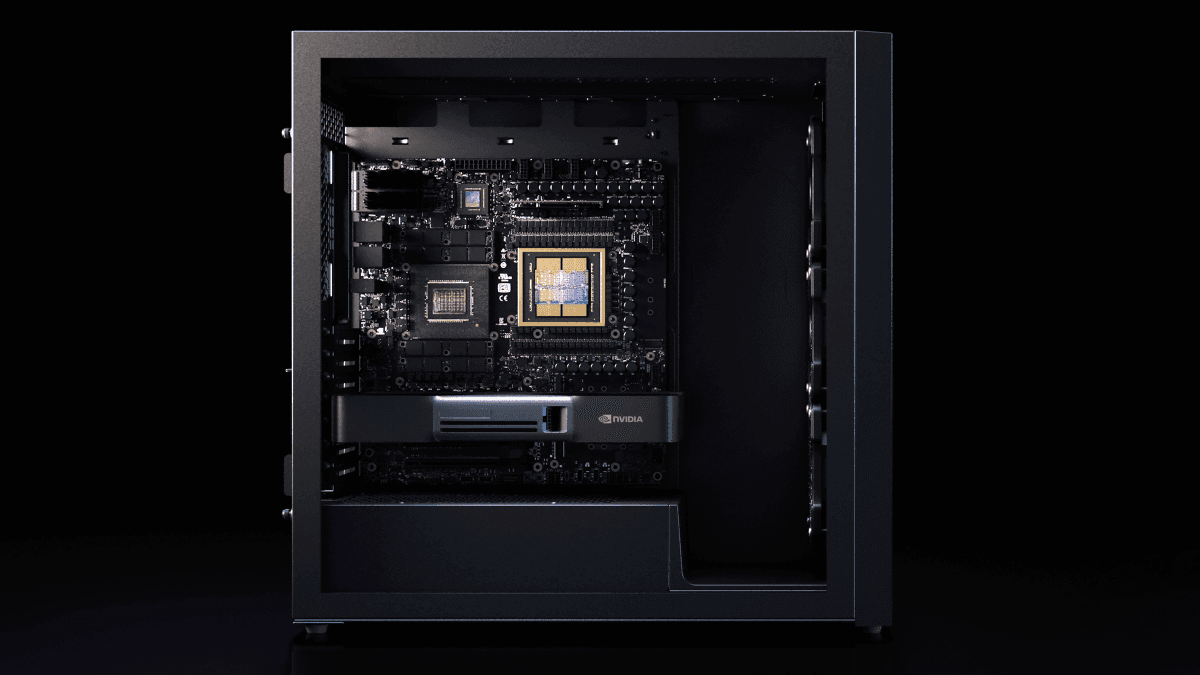
一辆毫不起眼的黑色厢式货车停在了古老红砖外墙的先锋大厦(Pioneer Building)楼下。后车厢门拉开,五十三岁的英伟达CEO黄仁勋跳下车,依然裹着那件标志性的黑色皮衣,和几名工作人员一起,费力地抬出一个沉重得像棺材一样的香槟金色金属机箱,一步步搬上了三楼那间只有几十名年轻极客、空气里飘着浓缩咖啡味的简陋办公室——成立刚刚八个月的非营利研究机构OpenAI。
An unremarkable black van drew up beneath the Pioneer Building and its old red-brick facade. The rear doors swung open, and the fifty-three-year-old CEO of NVIDIA, Jensen Huang, jumped down, still wrapped in his signature black leather jacket, and with several staff members heaved out a champagne-gold metal chassis heavy as a coffin, hauling it step by step up to the third-floor office — bare-bones, smelling of espresso, staffed by a few dozen young geeks — of the nonprofit research institute OpenAI, then just eight months old.
站在门口迎接他的,是四十五岁的埃隆·马斯克、三十一岁的萨姆·奥特曼,以及四年前在多伦多卧室里用两块游戏显卡点燃深度学习革命的伊利亚·苏茨克维。
Waiting at the door to receive him were the forty-five-year-old Elon Musk, the thirty-one-year-old Sam Altman, and Ilya Sutskever, who four years earlier had lit the deep-learning revolution in a Toronto bedroom with two gaming cards.
黄仁勋拔开一支黑色马克笔的笔帽,半蹲下身子,在这个重达一百三十多磅的金属怪兽顶盖上,龙飞凤舞地签下了一行日后价值千金的题词:
Jensen Huang uncapped a black marker, crouched down, and on the lid of that metal monster weighing more than one hundred and thirty pounds scrawled, in a sweeping flourish, the inscription that would one day be worth a fortune:
“致埃隆与OpenAI团队:为了计算与人类的未来,我向你们献上世界上第一台DGX-1。”
"To Elon and the OpenAI team: for the future of computing and of humanity, I present to you the world's first DGX-1."
在场的年轻研究员们围上来拍照欢呼,马斯克咧嘴笑着与黄仁勋握手合影(没人能想到,十年后的2026年深秋,当黄仁勋在丑闻风暴中黯然辞职时,正是这位照片里的马斯克在社交媒体上率先发声力挺这位老友)。在2016年的那个午后,外界媒体只把这当成一场精明的硅谷公关秀;只有黄仁勋自己知道,为了造出脚下这口“金色铁箱子”,他刚刚在公司内部打赢了一场差点把高管层逼疯的豪赌,并亲手革了整个传统服务器行业的命。
The young researchers crowded around, taking photographs and cheering, and Musk grinned as he shook Jensen Huang's hand for the cameras (no one could have imagined that ten years later, in the deep autumn of 2026, when Jensen Huang resigned in gloom amid a storm of scandal, it would be precisely this Musk from the photograph who spoke up first on social media in defense of his old friend). On that afternoon in 2016 the outside press saw only a shrewd Silicon Valley publicity stunt; Jensen Huang alone knew that to build the "golden iron chest" at his feet he had just won inside his own company a colossal gamble that had very nearly driven his executive corps mad, and had with his own hands beheaded the traditional server industry.
这台机器的名字叫DGX-1。
The machine was named DGX-1.
在DGX-1问世之前,英伟达的商业边界非常清晰:它是一家纯粹的“芯片与板卡供应商”。英伟达把GPU造出来,卖给惠普(HPE)、戴尔(Dell)、联想或超微(Supermicro),再由这些服务器大厂把GPU插在英特尔至强CPU的主板上,组装成机柜卖给谷歌或大学实验室。
Before the DGX-1 came into the world, NVIDIA's commercial boundary was crisp and clear: it was a pure "supplier of chips and boards." NVIDIA made the GPUs and sold them to Hewlett Packard Enterprise, Dell, Lenovo, or Supermicro, and those great server houses plugged the GPUs into motherboards built around Intel Xeon CPUs, assembled them into racks, and sold them on to Google or to university laboratories.
但到了2015年前后,黄仁勋发现这套沿用了三十年的传统计算机主板架构,已经成了锁死AI算力的绞索。
But by around 2015, Jensen Huang had seen that the traditional computer motherboard architecture, in service for thirty years, had become the noose strangling AI's computing power.
随着神经网络参数量从几千万向数亿狂飙,一块GPU根本装不下一整个大模型,必须把八块、十六块GPU绑在一起协同训练。然而在传统服务器主板上,GPU与GPU之间只能通过狭窄缓慢的PCIe通道隔着CPU传话——这就好比雇了八个世界顶级的速算天才,却让他们隔着几堵墙靠传纸条对账,百分之七十的时间全浪费在了排队等数据的路上!
As neural network parameter counts hurtled from the tens of millions toward the hundreds of millions, no single GPU could hold an entire large model, and eight, sixteen GPUs had to be lashed together to train in concert. Yet on a traditional server motherboard, GPU could speak to GPU only through the narrow, sluggish PCIe channel, with the CPU standing between them — as if one had hired eight of the world's finest lightning calculators and made them reconcile their ledgers by passing notes through walls, with seventy percent of their time squandered standing in line waiting for data!
“惠普和戴尔绝对不会为了一个还没影子的AI市场,去推翻沿用了二十年的服务器主板标准,”黄仁勋在圣克拉拉的架构会议上冷冷地拍了板,“既然没人肯造配得上我们芯片的战车,那我们就连整台超级计算机一起造!”
"Hewlett Packard and Dell will never overturn a server motherboard standard twenty years in service for the sake of an AI market that is not even a shadow yet," Jensen Huang ruled coldly at the architecture meeting in Santa Clara. "Since no one else will build the war chariot our chips deserve, then we will build the entire supercomputer ourselves!"
这无异于捅了马蜂窝。不仅惠普、戴尔等下游大客户震怒——觉得上游卖面粉的供应商竟然亲自下场开面包店抢生意;连英伟达内部的工程高管们也叫苦连天:从零研发高速芯片互连总线、定制液冷与风冷散热风道、设计电源模块、再把Ubuntu操作系统和全套深度学习框架预装打包成一台“插上电就能炼丹”的一体机,前前后后砸进去了整整数十亿美元与三千名工程师的心血!
It was like thrusting a stick into a hornet's nest. The downstream giants — Hewlett Packard, Dell, and the rest — were furious: the supplier upstream who sold them flour had come down in person to open a bakery and steal their trade. Even NVIDIA's own engineering executives groaned aloud: developing from zero a high-speed chip interconnect bus, custom-designing liquid- and air-cooling channels, engineering power modules, then preinstalling and packaging the Ubuntu operating system and the full suite of deep-learning frameworks into an integrated machine you could "plug in and start refining the elixir" — in the end, a full several billion dollars and the toil of three thousand engineers were sunk into it!
在2016年4月GTC大会正式揭晓DGX-1前夕,英伟达账面上拿到的真实商业预订单几乎为零。黄仁勋在台上意气风发地宣布这台塞进了八颗顶级Pascal P100芯片、通过独创的NVLink高速血管直连、单机算力抵得上两百五十台传统x86服务器的怪兽售价十二万九千美元时,台下的华尔街分析师们面面相觑,私下嘀咕这老小子是不是又犯了当年NV1盲目堆料的老毛病。
On the eve of the DGX-1's formal unveiling at the GTC conference in April 2016, NVIDIA's books held real commercial pre-orders amounting to almost zero. When Jensen Huang, in high feather on stage, announced that this monster — stuffed with eight top-tier Pascal P100 chips, plumbed together by the original NVLink high-speed vessels, one machine worth two hundred and fifty traditional x86 servers in raw compute — would sell for $129,000, the Wall Street analysts in the audience exchanged glances and muttered among themselves that the old boy had perhaps relapsed into the old NV1 habit of piling on specs blind.
只有旧金山先锋大厦里的伊利亚·苏茨克维看懂了这台机器的恐怖。正是靠着黄仁勋亲自送上门的这台初代DGX-1(以及随后源源不断运进OpenAI机房的继任者伏打架构V100集群),伊利亚与年轻的研究员们在上面跑出了震惊世界的《Dota 2》AI战队,紧接着在2018年至2020年间,顺着谷歌发明的Transformer架构一路暴力堆叠参数,先后炼出了GPT-1、GPT-2,直至参数量高达一千七百五十亿的GPT-3!
Only Ilya Sutskever, inside San Francisco's Pioneer Building, grasped how terrifying this machine was. It was on this first-generation DGX-1, delivered to his door by Jensen Huang personally (followed by an unbroken stream of successors, Volta-architecture V100 clusters, trundling into OpenAI's server room), that Ilya and the young researchers ran the Dota 2 AI team that astonished the world; and then, between 2018 and 2020, piling parameters by brute force along the Transformer architecture Google had invented, they smelted GPT-1, GPT-2, and at last GPT-3, with its one hundred and seventy-five billion parameters!
可以说,2016年夏天黄仁勋抬进OpenAI大门的不是一台服务器,而是七年后引爆全人类ChatGPT海啸的那颗铀-235原子核。
One might say that what Jensen Huang carried through OpenAI's door in the summer of 2016 was not a server at all, but the uranium-235 nucleus that would detonate, seven years on, the ChatGPT tsunami over all humanity.
通过DGX-1,黄仁勋完成了一次惊世骇俗的商业物种进化:英伟达不再只是一家按“颗”卖硅片的半导体公司,它变成了一家按“系统”卖军火的超级计算机巨头。单颗芯片只能卖几千美元,而一整套软硬一体的DGX系统却能卖出十几万乃至几十万美元的天价,毛利率直冲云霄!
With the DGX-1, Jensen Huang completed a commercial metamorphosis to stagger the world: NVIDIA was no longer merely a semiconductor company selling silicon by the chip; it had become a supercomputing titan selling ordnance by the system. A single chip fetched a few thousand dollars, while a complete DGX system, software and hardware fused as one, commanded heavenly prices of a hundred thousand and upward, even several hundred thousand dollars — and its gross margin soared past the clouds!
然而,黄仁勋的野心远未止步于“单台机器”。
Yet Jensen Huang's ambition stopped nowhere near "a single machine."
到了2018年底,他的目光已经越过了机箱的铁皮外壳,投向了占地数十个足球场大小的超大规模数据中心。他敏锐地预见到:当模型参数从千亿迈向万亿时,连一台塞满八张卡的DGX也不够用了——未来的客户必须把一万张、十万张GPU通过光纤和交换机连成一颗协同跳动的“行星级超级大脑”。
By the end of 2018 his gaze had already passed beyond the sheet-metal skin of the chassis toward hyperscale data centers sprawling across dozens of football fields. He foresaw with acuity: when model parameters marched from the hundred billions toward the trillions, even a DGX crammed with eight cards would not suffice — the customers of the future would have to lace ten thousand, one hundred thousand GPUs through optical fiber and switches into a single "planetary-scale superbrain" beating in concert.
在这个宏大的棋局里,英伟达还缺最后一块、也是最致命的一块拼图:连接万卡集群的“神经系统”(高速网络通信)。
In this grand endgame NVIDIA still lacked the final piece of the puzzle, and the most lethal one: the "nervous system" that would bind a ten-thousand-card cluster together (high-speed networking).
如果一万张英伟达GPU之间的数据交换还要受制于博通(Broadcom)或英特尔的传统以太网芯片,信息延迟依然会卡死整座数据中心的咽喉。就在这时,远在中东地中海东岸的以色列约克尼穆(Yokneam),一家名叫迈络斯(Mellanox Technologies)的网络设备隐形冠军,进入了群雄逐鹿的猎杀圈。
If the data exchanged among ten thousand NVIDIA GPUs still had to pass through the traditional Ethernet chips of Broadcom or Intel, latency would still throttle the throat of the entire data center. It was at just this moment that Mellanox Technologies, the invisible champion of networking equipment in Yokneam, Israel, far away on the eastern shore of the Mediterranean, wandered into the hunting circle where the warlords were circling one another.
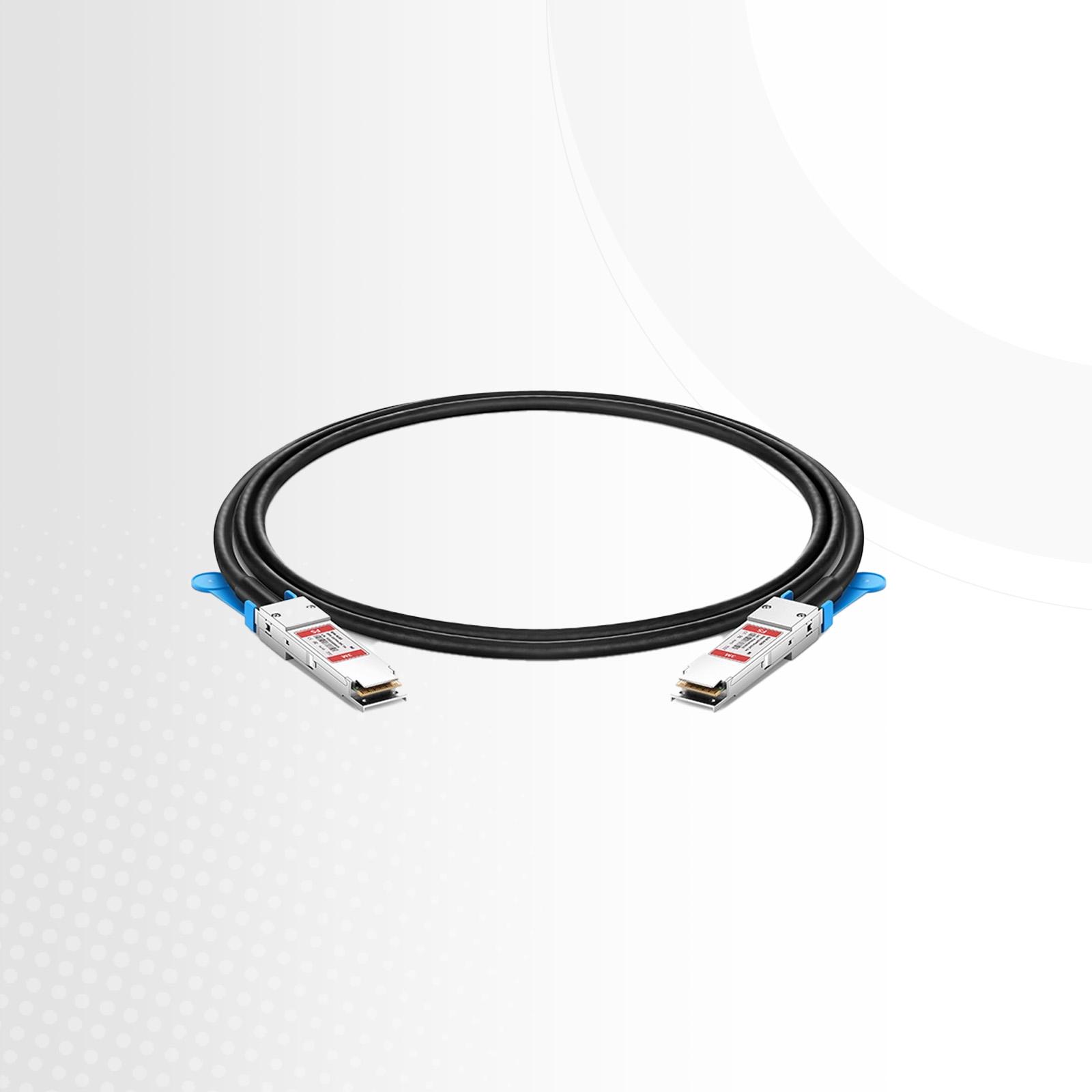
由以色列理工学院传奇企业家埃亚勒·瓦尔德曼(Eyal Waldman)创立的迈络斯,手握全球超算界独步天下的看家本领——InfiniBand(无限带宽技术)与RDMA(远程直接数据存取)。这项黑科技能够让一台服务器里的GPU绕过繁琐的操作系统内核,隔着几十米光纤直接读写另一台服务器GPU显存里的数据,延迟低到以纳秒计算。全世界排名前五百的超级计算机里,超过一半流淌着迈络斯的血液。
Mellanox, founded by the legendary entrepreneur of the Israel Institute of Technology Eyal Waldman, held in its hands the unrivaled house skill of the world's supercomputing circle: InfiniBand (infinite bandwidth) and RDMA (remote direct memory access). This black art let the GPU inside one server bypass the labyrinthine kernel of the operating system and read and write, directly across tens of meters of optical fiber, the data sitting in the memory of a GPU inside another server, with latency measured in nanoseconds. Of the five hundred fastest supercomputers on Earth, more than half had Mellanox blood running in their veins.
2018年秋,迈络斯放出寻求出售的风声,整个科技界瞬间闻风而动:微软、赛灵思(Xilinx)纷纷递出橄榄枝,而财大气粗的老霸主英特尔更是志在必得,直接开出了近六十亿美元的报价,企图把迈络斯收入囊中以锁死数据中心的护城河。
In the autumn of 2018, word spread that Mellanox was seeking a buyer, and the whole technological world moved on the scent in an instant: Microsoft and Xilinx stretched out olive branches one after another, while the deep-pocketed old overlord Intel, determined above all to win, opened with an offer of nearly six billion dollars, seeking to swallow Mellanox whole and lock shut the moat around the data center.
关键时刻,五十六岁的黄仁勋展现出了令对手胆寒的赌徒魄力。
At the decisive moment, the fifty-six-year-old Jensen Huang showed the gambler's daring that made opponents' blood run cold.
此时的英伟达其实正处于一轮剧烈的阵痛低谷中(2018年底加密货币矿潮崩盘导致显卡库存积压,英伟达股价刚刚惨遭腰斩)。按照常规财务纪律,这时候最该做的是捂紧钱袋子过冬;但黄仁勋心里比谁都清楚,一旦让英特尔抢走迈络斯,英伟达未来的数据中心帝国就会被人扼住气管。
NVIDIA at that moment was in truth mired in the trough of a violent spasm (the crash of the cryptocurrency mining boom at the end of 2018 had left graphics-card inventory rotting on the shelves, and NVIDIA's stock price had just been cut in half). By every ordinary rule of financial discipline, the thing to do was to clutch the money bag tight and see the winter through; but Jensen Huang knew better than anyone alive that once Intel snatched away Mellanox, a hand would close around the windpipe of NVIDIA's future data-center empire.
他亲自飞赴以色列与瓦尔德曼闭门深谈。与英特尔那种居高临下、准备买回来裁员整合的傲慢态度截然不同,黄仁勋向这位同样脾气火爆的以色列硬汉描绘了一幅令人热血沸腾的蓝图:“我们两家公司已经在超算里并肩作战了十年。英伟达造心脏(GPU),迈络斯造大动脉(InfiniBand),合在一起,我们将重新发明未来的每一座数据中心!而且我向你保证,不裁迈络斯一兵一卒,把以色列变成英伟达在海外最大的研发大本营!”
He flew to Israel in person for closed-door talks with Waldman. Where Intel's manner had been lofty and condescending, the attitude of a buyer preparing to integrate through layoffs, Jensen Huang painted for this hot-tempered Israeli iron man a blueprint to set the blood ablaze: "Our two companies have fought shoulder to shoulder in supercomputing for ten years. NVIDIA builds the heart — the GPU — and Mellanox builds the great arteries — InfiniBand. Joined together, we will reinvent every data center of the future! And I give you my word: not one soldier of Mellanox will be cut, and Israel will become the largest overseas bastion of NVIDIA research and development!"
为了彻底拍死英特尔的竞价,黄仁勋一咬牙直接掏出全现金方案,把报价暴力拉升至六十九亿美元——这是英伟达成立二十六年来最大的一笔并购案,几乎掏空了当时账上一大半的自由现金储备!
To crush Intel's bidding once and for all, Jensen Huang gritted his teeth and put an all-cash package straight on the table, violently driving the offer up to $6.9 billion — the largest acquisition in NVIDIA's twenty-six years of existence, one that hollowed out more than half of the free cash reserves then on its books!
2019年3月11日,收购协议正式落槌(并于2020年4月顺利通过包括中国在内的全球反垄断审批完成交割)。
On March 11, 2019, the acquisition agreement fell with the hammer's knock (and in April 2020 it cleared antitrust review around the world, China included, and the deal closed).
多年后,无数华尔街基金经理复盘AI浪潮时都不得不感叹:69亿美元买下Mellanox,堪称二十一世纪科技并购史上仅次于谷歌收购安卓与YouTube的神来之笔。
Years later, as fund managers across Wall Street replayed the AI wave, they could not help but marvel: the $6.9 billion paid for Mellanox stands, in the merger history of twenty-first-century technology, as a masterstroke second only to Google's purchase of Android and YouTube.
正是有了迈络斯的InfiniBand高速网络与英伟达自家的NVLink无缝合体,黄仁勋彻底打通了“芯片—整机—机柜—整座数据中心”的任督二脉。从那一刻起,任何云计算巨头想要训练顶级大模型,单独买几颗芯片已经毫无意义,他们必须成建制地购买英伟达的GPU集群、英伟达的NVSwitch交换芯片、外加迈络斯的光模块与网卡!哪怕AMD和谷歌TPU在单颗芯片纸面算力上追平了英伟达,一旦拉到上万张卡并联的真实战场上,依然撞不破黄仁勋用CUDA软件栈与InfiniBand网络交织而成的天罗地网。
With Mellanox's InfiniBand high-speed networks fused seamlessly to NVIDIA's own NVLink, Jensen Huang had opened every meridian of the body at last — from chip to machine, from machine to rack, from rack to the data center entire. From that moment, for any cloud giant that wished to train top-tier large models, buying a few chips alone was meaningless; they had to purchase, formation and all, NVIDIA's GPU clusters, NVIDIA's NVSwitch switching silicon, and Mellanox's optical modules and network cards besides! Even when AMD and Google's TPU matched NVIDIA on paper in the computing power of a single chip, once the battle moved to the true field of ten thousand cards lashed in parallel, they still could not break through the heaven-and-earth net Jensen Huang had woven from the CUDA software stack and the InfiniBand network.
在圣克拉拉拔地而起的新总部工地上,那座耗资数亿美元、形如星际战舰的三角巨型建筑“奋进号”(Endeavor)已然竣工启用。五十多岁的黄仁勋站在宽阔如剧院舞台的中央天桥上,俯瞰着脚下数千名行色匆匆的顶尖工程师——此时的英伟达,数据中心营收正以每年翻倍的速度狂飙,市值首次向两千亿美元发起冲击。
On the construction ground of the new headquarters rising out of Santa Clara soil, the triangular giant shaped like an interstellar warship, "Endeavor," built at a cost of several hundred million dollars, had been completed and thrown open. Jensen Huang, in his fifties, stood on the central sky-bridge, broad as a theater stage, looking down on the thousands of first-rank engineers hurrying below — NVIDIA by then was driving its data-center revenue forward at a pace that doubled every year, and its market value was assailing two hundred billion dollars for the first time.
一切看起来势不可挡。
Everything looked unstoppable.
然而,商业帝国的征途从来不是一条单调向上的直线。就在黄仁勋准备顺势吞下英国芯片架构鼻祖ARM、一举完成对CPU+GPU+网络全宇宙的大一统加冕时,两场席卷全球的黑天鹅风暴——加密泡沫的再度破灭与大国地缘政治的反垄断铁幕——已经在前方张开了巨网。在真正跨入2022年底那个封神的“ChatGPT时刻”之前,他还得在惊涛骇浪里再脱一层皮。
Yet the march of a commercial empire has never been a straight line slanting ever upward. Just as Jensen Huang prepared to ride the momentum and swallow ARM, the venerable ancestor of British chip architecture, and so complete in one stroke the grand unification and coronation of CPU, GPU, and network entire, two black-swan storms set to sweep the globe — the renewed bursting of the crypto bubble and the antitrust iron curtain of great-power geopolitics — had already spread their vast net ahead. Before he could truly step across into that deified "ChatGPT moment" at the end of 2022, he would have to be flayed one more layer in the raging waves.