第一章:台南与曼谷的童年(1963—1973)
Chapter One: A Childhood in Tainan and Bangkok (1963–1973)
1963年2月17日,农历癸卯年正月廿四,黄仁勋出生于台湾省台南市。
On February 17, 1963—the twenty-fourth day of the first month of the guimao year by the lunar calendar—Jensen Huang was born in Tainan, Taiwan.
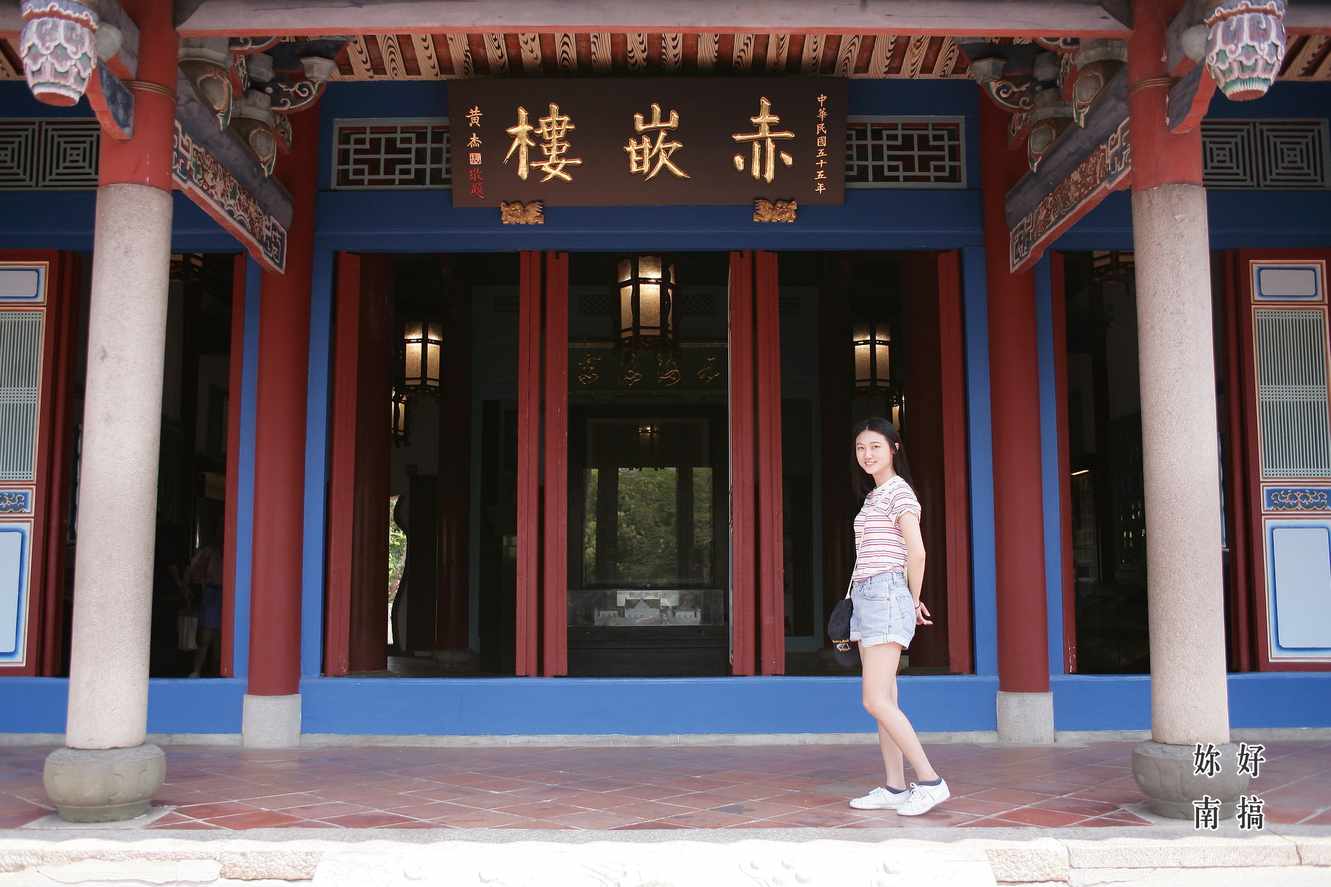
上世纪六十年代初的台南,是一座在传统宗族伦理与现代工业萌芽之间缓慢转身的南方古城。赤嵌楼斑驳的红砖墙下,三轮车夫踩着铃铛穿过骑楼,空气里终年弥漫着亚热带季风带来的咸湿水汽,以及巷口担仔面、虱目鱼粥与冬瓜茶熬煮出的甜腻烟火气。五六十年后,当黄仁勋成为身价逾千亿美元的全球科技霸主时,人们总惊讶于他对台湾街头夜市那种近乎执拗的迷恋——他可以毫无违和感地穿着短袖挤在汗流浃背的食客中间,端着一碗刨冰或蚵仔煎大快朵颐。很少有人意识到,这种味觉记忆,实际上是他动荡早年里唯一未曾断裂的脐带。
Tainan in the early 1960s was an ancient southern city turning slowly between the ethics of the old clans and the first stirrings of modern industry. Beneath the mottled red-brick walls of Chihkan Tower, rickshaw men rang their bells through the arcaded streets; the air, all year round, held the salty damp the subtropical monsoon brought, and the sweet, smoky warmth of danzai noodles, milkfish congee, and winter-melon tea simmering at the lane mouths. Fifty or sixty years on, when Jensen Huang had become a global technology sovereign worth more than a hundred billion dollars, people would marvel at his near-stubborn attachment to the night markets of Taiwan—how unremarkable it seemed for him to push, in a short-sleeved shirt, into the midst of sweating diners, feasting on a bowl of shaved ice or an oyster omelet. Few realized that this memory of taste was, in truth, the one umbilical cord of his turbulent early years that had never been cut.
在当时的台湾社会,黄仁勋的原生家庭算得上体面且极具远见的中产知识分子阶层。
In the Taiwan of that era, the family Jensen Huang was born into could fairly be called a respectable, strikingly far-sighted stratum of the middle-class intelligentsia.
父亲黄兴泰毕业于台湾省立工学院(今成功大学前身)化学工程系。在那个台湾刚刚起步承接国际制造业转移的年代,成大化工系是岛内顶尖理工人才的摇篮。黄兴泰身上有着老派工程师典型的严谨、克制与务实——他不善言辞,信奉逻辑与数据,认为世界上绝大多数问题只要拆解到物理与化学的底层,总能找到最优解。
His father, Huang Xingtai, had graduated from the chemical engineering department of the Taiwan Provincial College of Engineering, the forerunner of today's National Cheng Kung University. In an age when Taiwan had only just begun to take on the transfer of international manufacturing, the chemical engineering department at Cheng Kung was a cradle of the island's finest technical talent. Huang Xingtai carried the classic marks of the old-school engineer—rigor, restraint, pragmatism. He was not good with words; he believed in logic and data, and held that most problems in the world, once broken down to the bedrock of physics and chemistry, would always yield an optimal solution.
母亲罗采秀则来自台南著名的望族“罗氏家族”,是一位受过良好教育的小学英语教师。如果说父亲赋予了黄仁勋精密运转的理科大脑,那么母亲则注入了改变他一生轨迹的野心与韧性。在罗采秀身上,既有传统东亚女性对家庭倾尽所有的奉献,又有一种超越时代的决绝目光。在兄弟三人中,黄仁勋排行老二,上面有一个哥哥,下面有一个弟弟。从很小的时候起,父亲的工作调动与母亲对更广阔世界的向往,就注定了这个家庭不会永远偏安于台南的一隅。
His mother, Luo Caixiu, came from Tainan's famous Luo clan and was a well-educated elementary-school teacher of English. If the father gave Jensen Huang a scientific mind that ran like a precision machine, the mother injected the ambition and the resilience that would change the course of his life. In Luo Caixiu there lived at once the traditional East Asian woman's giving of everything to the family and a resolute gaze that outran her era. Of three brothers, Jensen Huang was the second, an older brother above him and a younger one below. From very early on, his father's job transfers and his mother's longing for a wider world made it certain that this family would not stay forever in a quiet corner of Tainan.
上世纪六十年代末,美国开利公司(Carrier)在纽约招募并培训一批来自亚洲的青年工程师,以拓展东南亚迅速崛起的工业与商用空调市场。黄兴泰凭借出色的专业能力入选了这次跨国培训计划。
In the late 1960s, the American company Carrier recruited and trained a group of young engineers from Asia in New York, to expand into the fast-rising Southeast Asian market for industrial and commercial air conditioning. On the strength of his outstanding professional ability, Huang Xingtai was chosen for this multinational training program.
那一次远赴美国的经历,彻底重塑了父亲的眼界。当黄兴泰结束纽约的受训回到家中时,他带回来的不仅是崭新的美式工程手册和几件新奇的洋货,还有一个不可动摇的念头:外面的世界正在以惊人的速度狂奔,他必须把自己的儿子们送到那个现代科技与商业文明的中心去。
That journey to America remade his father's horizons altogether. When Huang Xingtai came home from his training in New York, what he brought back was not only brand-new American engineering manuals and a few novel foreign goods, but an unshakable thought: the world outside was sprinting forward at a terrifying speed, and he had to send his sons to that center of modern technological and commercial civilization.
1968年前后,随着黄兴泰被外派至泰国负责当地炼油与化工相关的工程技术管理工作,年仅五岁的黄仁勋跟随父母离开台南,举家迁往曼谷。
Around 1968, when Huang Xingtai was posted to Thailand to run engineering and technical management for local oil-refining and chemical work, Jensen Huang, five years old, left Tainan with his parents as the whole family moved to Bangkok.
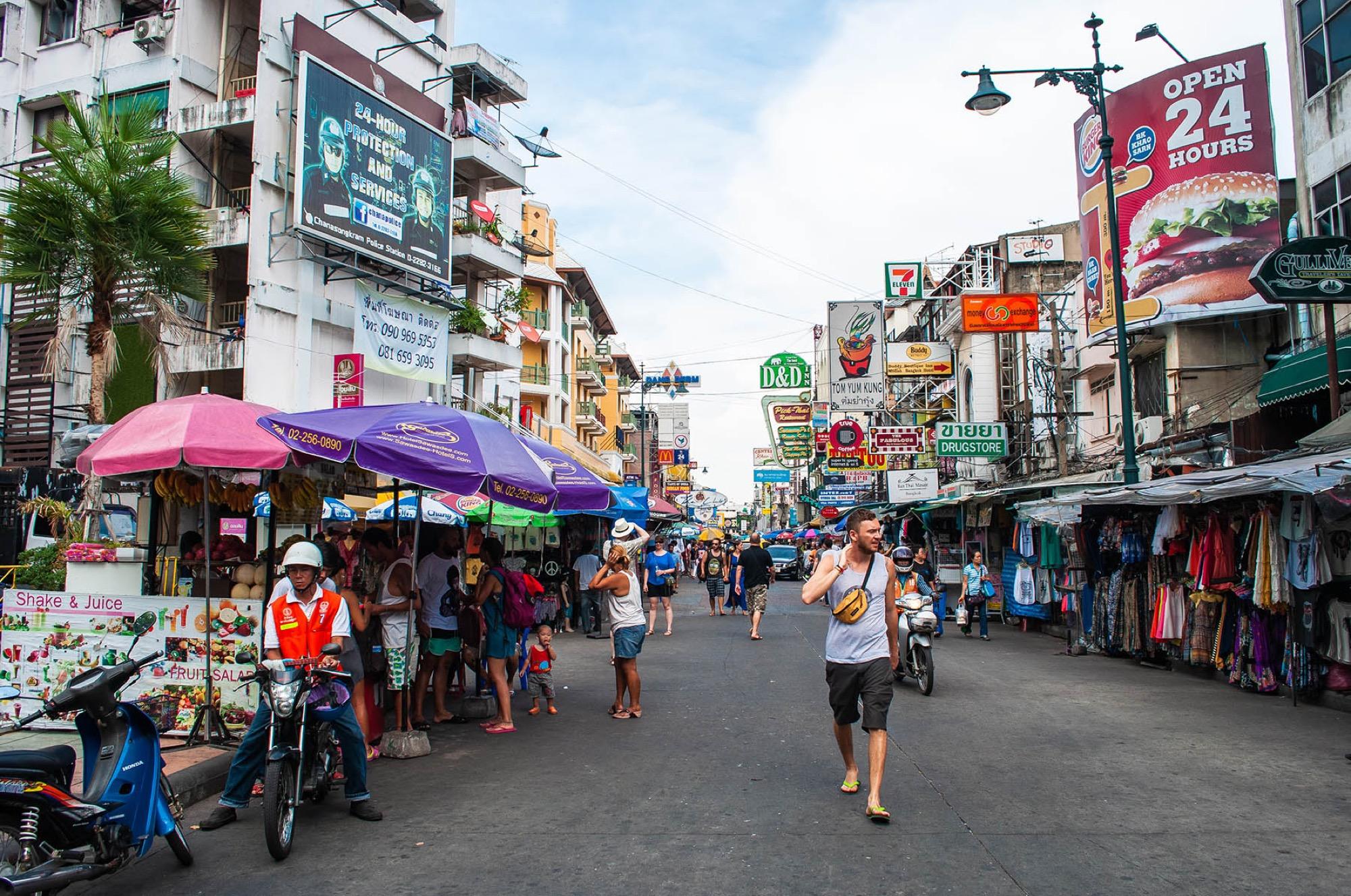
六十年代末至七十年代初的曼谷,是一座充满奇异张力的远东大都会。一方面,受越战期间美军后勤基地与跨国资本涌入的刺激,这座城市的高档社区里灯红酒绿,充斥着美式摇滚乐、冷气充足的西餐厅和来自欧美的外派高管家庭;另一方面,在湄南河浑浊的支流两岸与逼仄的街巷深处,贫富分化、军政府独裁与地下暗流正将整个国家推向剧烈动荡的边缘。
Bangkok in the late sixties and early seventies was a Far Eastern metropolis charged with a strange tension. On one side, fed by the American military's logistics bases in the Vietnam War years and the flood of multinational capital, the city's upscale districts glittered with nightlife, full of American rock and roll, well-chilled Western restaurants, and executive families posted in from Europe and America. On the other, along the muddy tributaries of the Chao Phraya River and deep in the narrow lanes, the gulf between rich and poor, the dictatorship of the military government, and the dark currents underneath were pushing the whole country toward the edge of violent upheaval.
对于年幼的黄仁勋而言,曼谷是一座没有围墙的冒险乐园,也是他第一次直观感受“风险”与“失控”的课堂。
For the young Jensen Huang, Bangkok was an adventure playground without walls, and also the first classroom in which he felt risk and the loss of control with his own eyes and hands.
作为跨国企业外派工程师的家属,黄家在曼谷的生活颇为优渥。黄仁勋和哥哥被送进当地的国际学校就读,第一次置身于多语言、多肤色的陌生环境里。那时的黄仁勋远非日后那个在万人舞台上谈笑风生的演讲大师,他身形瘦小,性格里带着一点敏感的羞怯,但骨子里却藏着惊人的鬼点子与破坏欲。
As the family of an engineer posted abroad by a multinational firm, the Huangs lived quite well in Bangkok. Jensen Huang and his older brother were sent to the local international school and placed for the first time in a strange world of many languages and many colors of skin. The Jensen Huang of those days was far from the master of the stage who would one day hold ten thousand people laughing on his every word: he was small and thin, his nature touched with a sensitive shyness, yet underneath he carried an astonishing store of mischief and a taste for destruction.
在多年后的零星回忆里,黄仁勋曾笑着提起童年时和哥哥在曼谷干过的荒唐事:某天兄弟俩突发奇想,想知道如果把家里的游泳池倒满可燃液体再点燃会发生什么。他们真的弄来了一桶汽油,倒在院子泳池的水面上,然后划亮了一根火柴扔了进去。轰然腾起的烈焰瞬间吞没了整个水面,热浪灼得两个半大孩子抱头鼠窜,差点把整栋房子连同院里的热带植物一起烧成灰烬。
In scattered memories years later, Jensen Huang would laugh as he told of the absurd things he and his brother had done in Bangkok. One day a sudden fancy seized the two of them: they wanted to know what would happen if they filled the family swimming pool with something flammable and set it alight. They really did get hold of a bucket of gasoline, poured it across the surface of the pool in the yard, struck a match, and threw it in. A roar of flame swallowed the whole surface in an instant; the heat drove the two half-grown boys fleeing with their heads in their hands, and the fire nearly burned the entire house, tropical plants and all, down to ash.
这种“先干了再说、哪怕把水面点燃也要亲眼看看边界在哪里”的莽撞好奇心,像一颗隐秘的种子,早早埋进了他的神经回路里。
That reckless curiosity—act first and explain later; even if it sets the water on fire, see with your own eyes where the boundary lies—planted itself early, like a hidden seed, in his neural circuitry.
然而,院墙之外的真火,很快就比泳池里的恶作剧凶险百倍。
Yet the true fire beyond the courtyard walls would soon prove a hundred times more dangerous than the prank in the pool.
进入1970年代初,泰国国内的政治局势急转直下。1971年11月,泰国总理他侬·吉滴卡宗元帅发动自我政变,解散国会、废除宪法,实行严酷的军事独裁统治。高压之下,泰国大学生、知识分子与底层民众的愤怒在暗处疯狂积聚。到了1973年,曼谷街头的抗议浪潮一触即发,罢工、游行与军警的对峙几乎成为家常便饭。
As the 1970s began, Thailand's politics fell headlong. In November 1971, Field Marshal Thanom Kittikachorn, the Prime Minister of Thailand, staged a coup against his own government, dissolving parliament, abolishing the constitution, and imposing a harsh military dictatorship. Under the press of repression, the anger of Thai students, intellectuals, and the poor gathered furiously in the dark. By 1973 the tide of protest in the streets of Bangkok was ready to explode; strikes, marches, and standoffs between soldiers and police had become almost a daily thing.
黄兴泰和罗采秀每天看着报纸上的头条新闻,听着远处街道隐约传来的警笛与骚动声,内心的焦虑与日俱增。到了1973年10月(史称“1973年泰国学生起义”前夕及爆发期间),装甲车与荷枪实弹的士兵开进曼谷核心街区,枪声与催泪瓦斯的硝烟打破了外派社区原本平静的假象。街头流血冲突的阴影笼罩着整座城市,学校随时可能停课,外国侨民的安全岌岌可危。
Day after day, Huang Xingtai and Luo Caixiu read the headlines and heard the faint sirens and unrest drifting from distant streets, and their anxiety grew with every day. By October 1973, on the eve and in the midst of what history calls the Thai student uprising of 1973, armored cars and soldiers with loaded weapons rolled into the central districts of Bangkok; gunfire and the smoke of tear gas broke the pretense of calm in the expatriate community. The shadow of bloody street fighting lay over the whole city; schools could close at any hour, and the safety of foreign residents hung by a thread.
一个改变黄氏兄弟一生的决定,在某个闷热而紧绷的曼谷夜晚被敲定了。
A decision that would change the lives of the two Huang brothers was settled on one sweltering, tightly wound Bangkok night.
黄兴泰与罗采秀坐在餐桌旁,做出了一个在今天看来近乎残酷的决断:不能再等了,必须立刻把十岁的哥哥和年仅九岁的黄仁勋先送去美国。由于工作合同与签证等现实掣肘,父母无法立刻同行,两个连英语都还说不利索的孩子,必须独自跨越太平洋,去投奔刚刚移民美国不久、在华盛顿州落脚的舅舅。
Sitting at the dinner table, Huang Xingtai and Luo Caixiu made a call that looks almost cruel today: they could wait no longer. The ten-year-old older brother and nine-year-old Jensen Huang had to be sent to America at once. Tied down by work contracts, visas, and other hard constraints, the parents could not go with them; two boys who could not yet speak English properly would have to cross the Pacific alone and throw themselves on an uncle who had only lately emigrated to the United States and settled in Washington State.
为了让两个幼子活下去并接轨那个遥远的新世界,母亲罗采秀开启了一场近乎斯巴达式的行前特训。
To keep her two small sons alive and tie them to that faraway new world, the mother, Luo Caixiu, launched a nearly Spartan regimen of drills before departure.
尽管罗采秀本人从未踏足过美国,甚至连标准的美式口语发音都未必完全地道,但这位曾任教职的母亲展现出了惊人的执行力。她买来厚厚的英汉词典和英文词汇书,每天雷打不动地把两个儿子按在书桌前。她自己先查好词义,再用略带闽南腔的英语一个个领读,规定兄弟俩每天必须死记硬背下几十个英文单词,背不出来就不准出门玩耍。
Though Luo Caixiu had never set foot in America, and her spoken English was by no means a perfect American accent, this former teacher showed an astonishing power to execute. She bought thick English–Chinese dictionaries and vocabulary books, and every day, without fail, she pressed her two sons to their desks. She looked up the meanings herself first, then led the readings word by word in English with a faint Hokkien accent, ruling that the brothers must memorize dozens of English words a day by rote—and no one went out to play until the recitation was done.
九岁的黄仁勋并不完全懂得“地缘动荡”或“阶级跃迁”这些宏大的词汇。他只记得母亲严厉的目光、灯光下密密麻麻的字母,以及家里越来越空的衣柜。多年以后,当他在硅谷谈及母亲时,总会反复提及这段记忆:“我母亲不懂英语(指并非母语流利者),但她硬是每天教我们背字典。她总是相信我们能做到任何事——有时候,父母那种毫无根据的盲目信任,反而成了你一辈子不敢辜负的底气。”
Nine-year-old Jensen Huang did not fully understand grand phrases like geopolitical turmoil or a leap between classes. He remembered only his mother's stern gaze, the dense letters under the lamp, and the closets at home growing emptier by the week. Many years later, whenever he spoke of his mother in Silicon Valley, he came back again and again to this memory: "My mother didn't know English—meaning it was never her mother tongue—but she made us memorize the dictionary every single day anyway. She always believed we could do anything. Sometimes the blind, groundless faith of parents becomes the ballast you dare not betray for the rest of your life."
出发的那一天终于到来。1973年底,曼谷廊曼国际机场。
The day of departure finally came. Late 1973. Don Muang International Airport, Bangkok.
九岁的黄仁勋背着沉甸甸的行囊,站在十岁的哥哥身边。母亲强忍着眼泪,反复叮嘱哥哥一定要牵紧弟弟的手,把写着美国舅舅联系方式和地址的纸条塞进他们贴身的口袋里;父亲则用力拍了拍两个儿子的肩膀,转身掩去眼底的潮湿。
Nine-year-old Jensen Huang stood beside his ten-year-old brother with a heavy bag on his back. Fighting back tears, his mother told the older boy over and over to hold his little brother's hand tight, and slipped into their shirt pockets a slip of paper bearing the telephone number and address of the uncle in America; his father clapped both sons hard on the shoulders, then turned away to hide the wetness at the bottom of his eyes.
伴随着波音客机震耳欲聋的引擎轰鸣声,飞机拔地而起,冲破中南半岛厚重的积雨云。透过狭小的椭圆形舷窗向下望去,湄南河蜿蜒的金色水系与曼谷密密麻麻的屋顶迅速缩小,最终彻底消失在苍茫的云海之下。
With the deafening roar of the Boeing's engines, the plane left the earth and broke through the heavy rain clouds banked over the Indochinese Peninsula. Looking down through the small oval window, the winding golden waterways of the Chao Phraya and the dense throng of Bangkok's rooftops shrank fast, and then vanished altogether beneath a vast and boundless sea of cloud.
那一刻,九岁的黄仁勋还以为自己即将飞往父亲口中那个遍地黄金、充满新奇玩具与摩天大楼的美丽新世界。他做梦也不会想到,等待他和哥哥的并非温情脉脉的美式田园牧歌,而是一场阴差阳错的流放——在肯塔基州阿巴拉契亚山脉深处一个贫瘠、暴力且与世隔绝的角落,他将不得不学会握紧扫帚与拳头,在带血的青春期里完成人生第一次真正的淬火。
In that moment, nine-year-old Jensen Huang still believed he was flying to the beautiful new world of his father's telling, where gold lay on the ground among strange toys and skyscrapers. He could not in his wildest dreams have imagined that what waited for him and his brother was no tender American pastoral but an exile born of a terrible accident—in a barren, violent, cut-off corner deep in the Appalachian Mountains of Kentucky, he would have to learn to grip a broom and a fist, and finish the first true tempering of his life in an adolescence stained with blood.