第二章:奥奈达的伤痕与乒乓球台(1973—1978)
Chapter Two: The Scars and the Ping-Pong Table of Oneida (1973–1978)
飞机降落在华盛顿州塔科马(Tacoma)的冬雨里时,黄仁勋和哥哥才真正体会到什么叫“异乡的寒意”。
Only when the plane came down into the winter rain of Tacoma, Washington, did Jensen Huang and his brother truly understand what the chill of a foreign land meant.
迎接他们的是刚刚移民美国不久的舅舅和舅妈。远隔重洋的黄兴泰夫妇原本以为,小舅子既然已经在太平洋西北岸扎了根,自然能替自己照看两个年幼的儿子。然而残酷的现实是,舅舅一家当时同样在温饱线上苦苦挣扎,微薄的收入和局促的居所根本无力额外负担两个十岁上下半大男孩的日常起居与教育。
Waiting for them were an uncle and aunt who had lately emigrated to America. An ocean away, Huang Xingtai and Luo Caixiu had assumed that since her younger brother had already put down roots on the Pacific Northwest coast, he could naturally look after their two young sons. The brutal fact was that the uncle's family was itself struggling along the line between hunger and enough; on a thin income and in cramped rooms, they had no strength to take on the daily keep and schooling of two half-grown boys of about ten.
为了给两个外甥找一个既能包吃包住、学费又足够低廉的去处,舅舅四处打听,最终在宗教慈善名录里翻到了一个听起来颇为体面的名字——奥奈达浸信会学院(Oneida Baptist Institute)。
To find his two nephews a place that would feed and house them at a tuition low enough to bear, the uncle asked everywhere, and at last, in a directory of religious charities, turned up a name that sounded quite respectable—Oneida Baptist Institute.
在当时的宣传册与口碑传闻里,“Academy”或“Institute”这类字眼很容易让初来乍到的华人移民联想到精英云集的东海岸私立寄宿预备学校(Prep School)。舅舅大喜过望,立刻联系校方办妥了入学手续,随即将十岁的哥哥和刚满九岁不久的黄仁勋送上了横跨大半个美国的长途旅途,一路向东南扎进了肯塔基州的腹地。
In the brochures and the word of mouth of that day, words like Academy or Institute could easily lead a newly arrived Chinese immigrant to picture an elite East Coast private boarding prep school. Delighted beyond measure, the uncle contacted the school at once and completed the enrollment, then put the ten-year-old older brother and Jensen Huang, not long nine, onto a long journey across more than half of America, bearing southeast into the heart of Kentucky.
直到破旧的校车颠簸着驶入克莱县(Clay County)的深山,两个孩子才隐约察觉到事情有些不对劲。
Not until the battered school bus jolted into the deep mountains of Clay County did the two boys begin to feel that something was not right.
上世纪七十年代的肯塔基州东南部,位于阿巴拉契亚山脉最贫瘠、最闭塞的褶皱深处。克莱县是全美人均收入最低的贫困县之一,群山环抱之间,到处是废弃的煤矿坑道、生锈的皮卡车残骸以及终年不散的潮湿山雾。创立于1899年的奥奈达浸信会学院就坐落在肯塔基河南叉支流(South Fork Kentucky River)的河畔,最初是为了化解当地家族血亲仇杀、收容无处可去的山区孤儿与贫困子弟而建。到了七十年代,这里实际上已经演变成了一所专门接收全美各地“问题少年”的半军事化宗教寄宿管教学校——被公立学校开除的刺头、破碎家庭遗弃的边缘青少年、甚至是少年法庭转介过来的轻罪少年,全都被塞进了这片与世隔绝的山谷。
Southeastern Kentucky in the 1970s lay in the poorest, most shut-in folds of the Appalachian Mountains. Clay County was one of the lowest per-capita-income counties in the whole country; between its ring of mountains lay abandoned coal-mine tunnels, the rusted carcasses of pickup trucks, and a damp mountain fog that never dispersed. Oneida Baptist Institute, founded in 1899, stood on the banks of the South Fork of the Kentucky River, built at first to end the blood feuds of the local clans and to shelter mountain orphans and poor children with nowhere to go. By the seventies it had in practice become a semi-military religious boarding school of correction, built to receive "problem youth" from all over America—the hotheads expelled from public schools, the marginal teenagers abandoned by broken homes, even juvenile offenders referred by the courts, all of them packed into this valley cut off from the world.
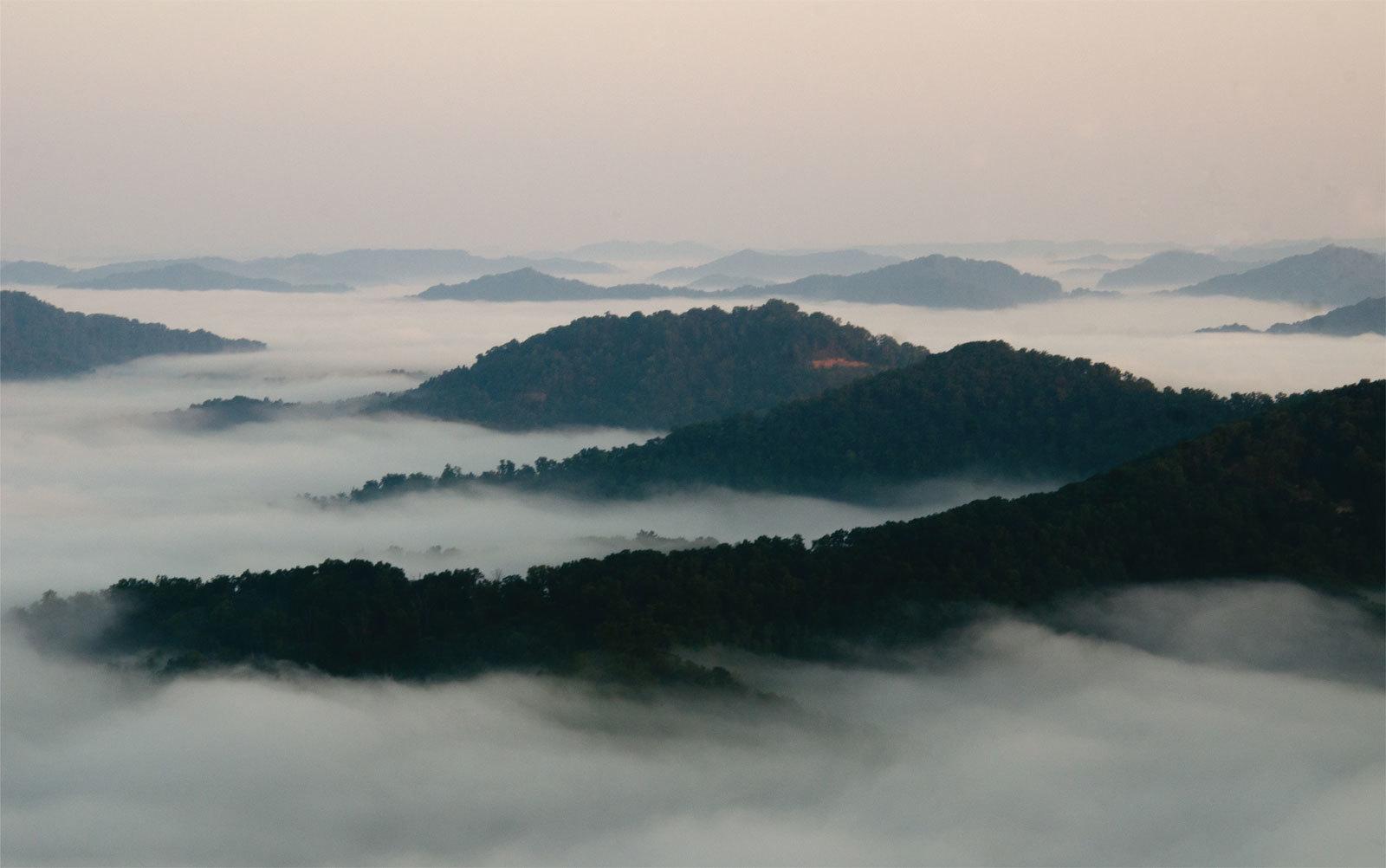
而九岁的黄仁勋,成了这所学校里年纪最小的孩子,也是几百名白人与黑人问题少年中仅有的两张东亚面孔之一。
And nine-year-old Jensen Huang became the youngest child in that school, and one of only two East Asian faces among several hundred white and Black troubled teenagers.
入校的第一晚,现实就给了他迎头一击。
On his first night at the school, reality dealt him a blow square in the face.
推开狭窄阴暗的男生宿舍木门,迎接黄仁勋的不是温文尔雅的同窗,而是一个十七岁的高大白人青年——那是学校分配给他的室友。当这个比他高出整整两个头的少年脱下外套时,九岁的黄仁勋屏住了呼吸:对方的胸口、后背与手臂上纵横交错着好几道狰狞的刀疤,那是不久前在一场街头斗殴中留下的印记。
When he pushed open the narrow, dark wooden door of the boys' dormitory, what met Jensen Huang was not a gentle schoolmate but a tall, powerfully built white youth of seventeen—the roommate the school had assigned him. When that boy, a full two heads taller, took off his jacket, nine-year-old Jensen Huang held his breath: across the youth's chest, back, and arms ran several savage knife scars, the marks of a street fight not long past.
更令黄仁勋震惊的是,这个浑身散发着危险气息的十七岁青年,是个彻头彻尾的文盲,连最简单的英文句子都拼读不出来。
What stunned him more was that this seventeen-year-old, who gave off danger from every pore, was a thorough illiterate, unable to sound out even the simplest English sentence.
在这样一个弱肉强食的丛林里,生存的第一课不是书本,而是看清权力规则并迅速找到自己的生态位。每天清晨和放学后,学校实行严苛的强制劳动制度(Work-ship program)以抵扣低廉的食宿费。十岁的哥哥被派往学校附近的烟草农场,在烈日与寒风中弯腰采摘、晾晒苦涩黏腻的烟叶;而因为年纪太小、身板过于单薄,九岁的黄仁勋领到了全校最脏、最没人愿意干的差事——打扫整栋三层男生宿舍楼的所有公共厕所。
In a jungle like this, where the strong ate the weak, the first lesson of survival was not books but seeing the rules of power clearly and finding one's own niche fast. Every morning and after classes, the school ran a harsh compulsory labor system—the Work-ship program—against the cost of its low room and board. The ten-year-old brother was sent to a tobacco farm near the school, bending in the blazing sun and the biting wind to pick and dry the bitter, gummy leaves; and because he was too young and too thin of frame, nine-year-old Jensen Huang was given the filthiest job in the school, the one nobody wanted—cleaning every public bathroom in the three-story boys' dormitory.
日复一日,这个几年前还在曼谷外派社区里享受佣人照顾的工程师之子,跪在冰冷刺骨、泛着尿碱与霉斑的瓷砖地上,手里攥着硬毛刷和刺鼻的漂白粉,一个隔间接着一个隔间地刷洗马桶。几百名正值青春期、毫无卫生习惯可言的不良少年制造出的污秽,每天都在挑战着他的生理极限。
Day after day, this engineer's son who only a few years before had been cared for by servants in the expatriate quarters of Bangkok knelt on tile floors cold to the bone and filmed with urine scale and mold, a stiff brush in one hand and stinging bleach powder in the other, scrubbing the toilets one stall after another. The filth made by several hundred adolescents in the full flood of puberty, with no habits of cleanliness at all, tested the limits of his body every day.
但黄仁勋没有哭闹,甚至没有给远在泰国的父母写过一封诉苦的信。几十年后,当管理学教授和传记记者试图从这段经历中挖掘“悲情创伤”时,黄仁勋的回答冷峻得近乎反常:“有人觉得刷厕所很屈辱,但我当时的想法很简单——既然这是我的工作,那我就把奥奈达的厕所刷成全肯塔基州最干净的厕所。”
Yet Jensen Huang neither cried nor raged, and never wrote his parents in faraway Thailand a single letter of complaint. Decades later, when management professors and biographers tried to dig tragic wounds out of this episode, his answer was cold to the point of being unnatural: "Some people think scrubbing toilets is humiliating. But my thinking at the time was simple—since this was my job, I was going to make the toilets at Oneida the cleanest in all of Kentucky."
这种近乎冷血的务实主义,让他在宿舍里与那个满身刀疤的十七岁室友达成了一笔奇妙的“共生交易”:大块头室友在校园里充当他的隐形威慑,替他挡掉最致命的恶霸勒索;作为回报,每晚熄灯前,九岁的黄仁勋就坐在床沿上,拿着母亲罗采秀逼他背熟的英文词汇功底,一个字母、一个单词地教这个十七岁的持刀青年读书识字。
That near-bloodless pragmatism let him strike, in the dormitory, a strange symbiotic bargain with the seventeen-year-old roommate covered in knife scars: the big roommate served as his invisible deterrent on campus, standing between him and the deadliest extortion by bullies; in return, every night before lights-out, nine-year-old Jensen Huang sat on the edge of the bed and, drawing on the English vocabulary his mother Luo Caixiu had forced him to master, taught this seventeen-year-old with a knife to read, letter by letter, word by word.
即便如此,校园霸凌依然如影随形。
Even so, the bullying of the schoolgrounds hung on him like a shadow.
在七十年代初刚刚结束越战泥潭的美国南方深山里,两张黄皮肤、黑头发的亚裔面孔就像活靶子。本地镇上的野孩子和校内的恶少们围住兄弟俩,嘴里骂着越战战场上流传下来的种族歧视脏话(“Chinks”、“Gooks”),朝他们扔石块、吐口水,放学路上把他们的书包踢进泥沟。
Deep in the mountains of the American South in the early seventies, just out of the quagmire of Vietnam, two Asian faces with yellow skin and black hair were targets walking. The wild boys of the local town and the bullies of the school closed in on the brothers, cursing them with the racial filth that had come home from the Vietnam battlefields ("Chinks," "Gooks"), throwing stones, spitting, and kicking their schoolbags into the muddy ditches on the road home.
通往镇上杂货店与学校对岸的必经之路,是一座横跨肯塔基河的古老铁索木吊桥。桥面距离湍急浑浊的河水有几十英尺高,许多腐朽的木板早已碎裂脱落,踩上去发出令人牙酸的吱呀声,山风一吹便剧烈摇晃。
The one road to the town grocery and to the far bank across from the school was an old suspension bridge of iron chains and wooden planks across the Kentucky River. The deck hung a few dozen feet above the fast, murky water; many of the rotten boards had long since cracked and fallen away, and those that remained creaked with a sound that set the teeth on edge, the whole bridge lurching hard whenever the mountain wind blew.
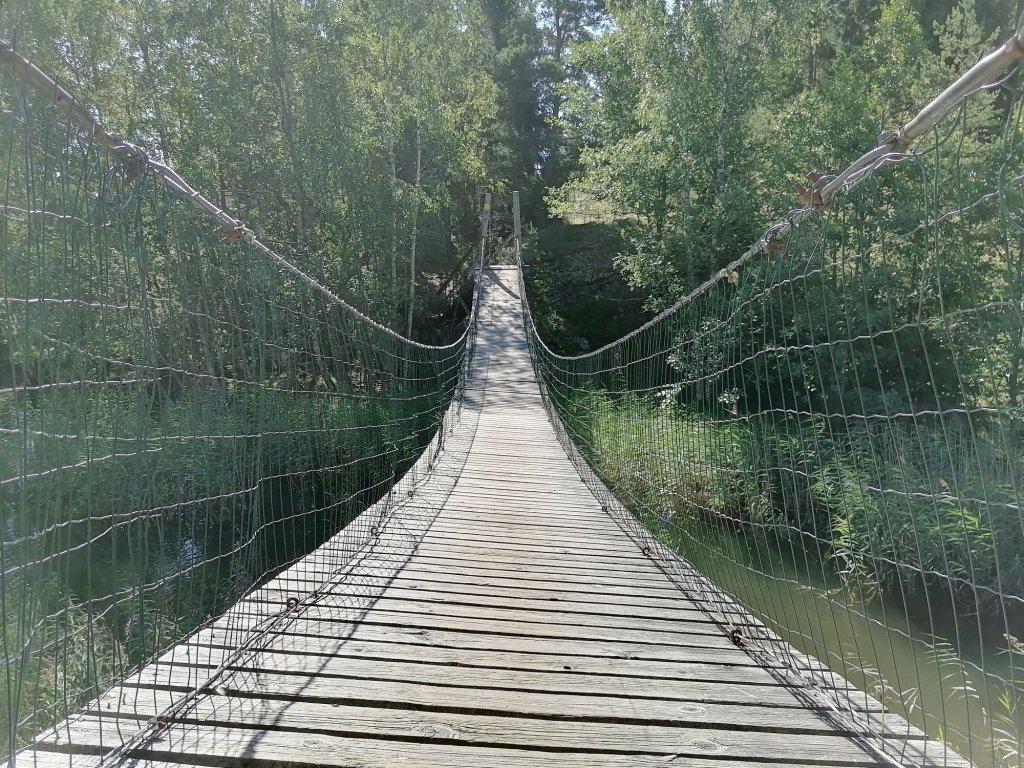
当地的混混们最喜欢守在吊桥的另一头。每当瘦小的黄仁勋走上桥面,那帮半大少年就会冲上桥头,疯狂地踩踏、摇晃两侧的钢索,看着九岁的亚洲男孩在缺失木板的悬空裂缝间死死抓住铁索,然后发出肆无忌惮的哄笑。
The local punks liked best to wait at the far end of the bridge. Every time the slight Jensen Huang stepped onto the deck, that gang of half-grown boys would charge onto the bridgehead and stamp and shake the steel cables on both sides with all their strength, watching the nine-year-old Asian boy cling to the chains in the gaps where the boards were missing, and then let loose their unbridled laughter.
最初几次,黄仁勋吓得脸色惨白,手心全是冷汗;但很快,那些混混发现这个小个子不再尖叫,也不再后退。他只是死死盯住脚下仅存的完好木板,压低重心,算准铁索摆动的频率,一步一步稳稳地跨过深渊,面无表情地从他们身边擦肩而过。
The first few times, Jensen Huang went white with fear, his palms cold with sweat; but soon the punks found that the little one no longer screamed and no longer fell back. He simply fixed his eyes on the sound boards left underfoot, lowered his center of gravity, timed the swing of the chains, crossed the abyss step by steady step, and brushed past them with no expression at all.
许多年后,每当英伟达遭遇现金流枯竭、芯片架构流产或股价暴跌八成的灭顶之灾,华尔街分析师们总是无法理解,为什么黄仁勋能在所有人恐慌溃逃时保持一种近乎冷酷的镇定。只有他自己清楚,一个在九岁时每天都要踩着腐烂吊桥穿过恶少包围圈的人,对于“脚下踩空”这件事,早就产生了生理级的免疫。
Many years later, whenever NVIDIA met the deathly crises of a cash-flow drought, a stillborn chip architecture, or a stock collapse of eighty percent, the analysts of Wall Street could never understand how Jensen Huang could keep a calm close to glacial while everyone else panicked and ran. Only he himself knew: a man who at nine years old had to walk a rotting suspension bridge through a gauntlet of bullies every day had long since built, at the level of physiology itself, an immunity to the feeling of the ground giving way beneath his feet.
当然,十岁出头的少年并非铁石心肠,在严酷的宗教管教之外,他骨子里那股叛逆的野气也在暗暗滋长。为了融入这群狂野的同龄人,他也曾跟着高年级学生偷偷爬上学校建筑的屋顶抽烟,甚至干过顺手牵羊偷零食的荒唐事。直到有一天,他在受洗与校规训诫的冲击下突然意识到:如果继续顺着这条重力滑梯滑下去,自己终将烂在这片阿巴拉契亚的煤灰山谷里。
Of course, a boy just past ten is no heart of stone; and beyond the harsh religious discipline, the wild streak of rebellion in his bones was quietly growing too. To find a place among that feral pack of boys his own age, he once followed the older students up onto the roof of a school building to sneak a smoke, even pulled off the silly trick of pilfering snacks. Until one day, under the double shock of baptism and the school's rules of exhortation, it struck him all at once: if he kept sliding down this gravity slide, he would rot in this Appalachian valley of coal dust.
拯救他、并将他体内过剩的好胜心彻底导向正轨的,是一张绿色的乒乓球台。
What saved him, and turned the surplus of competitive fire in his body wholly onto the right track, was a green ping-pong table.
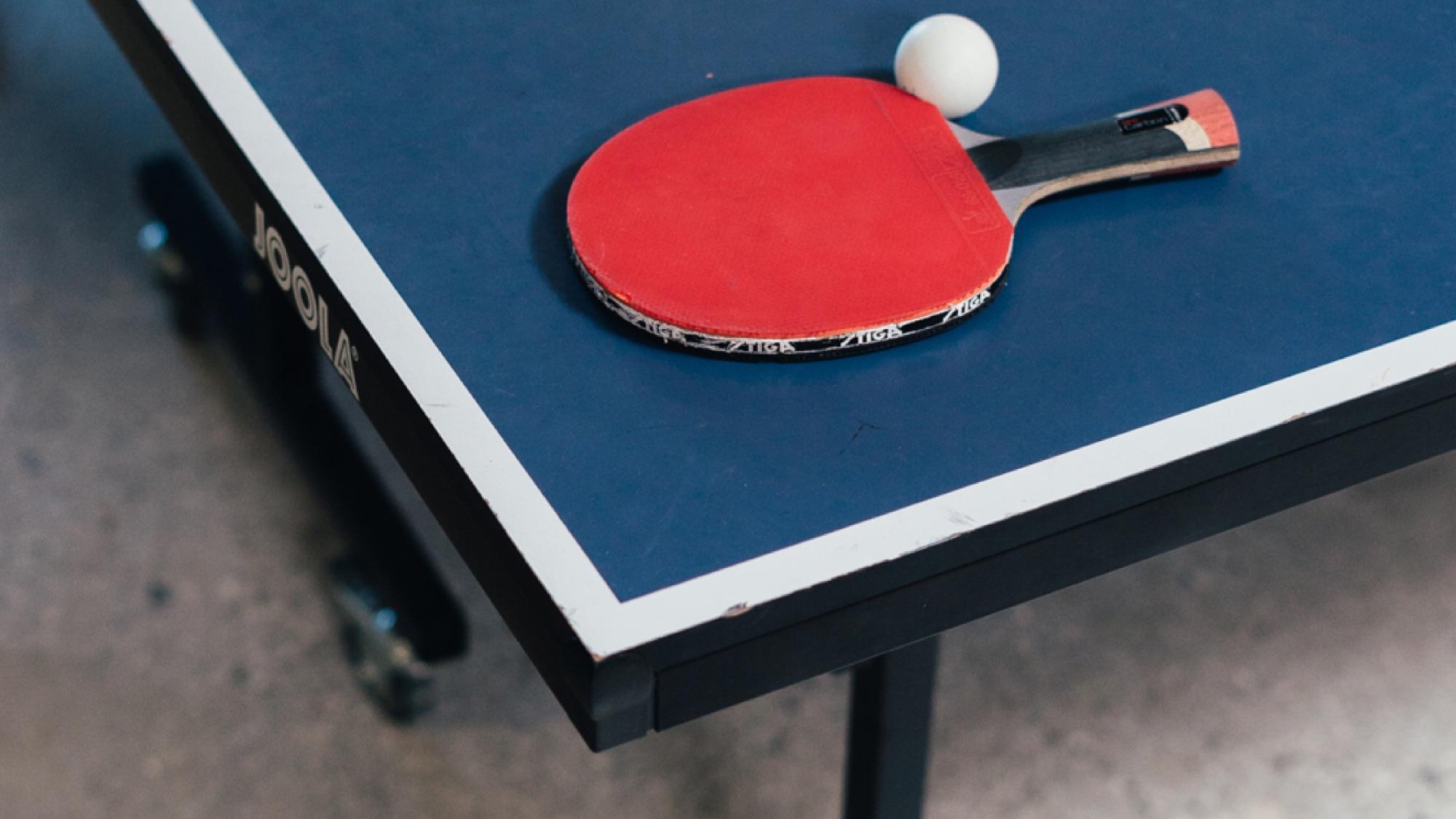
奥奈达浸信会学院几乎没有任何像样的现代体育设施,唯独活动室里摆着几张破旧的乒乓球桌。对于身高臂长完全不占优势的瘦小亚裔少年来说,足球和篮球是纯粹的肉体碾压,唯独乒乓球——这项在方寸之间比拼毫秒级神经反射、旋转计算与心理博弈的运动——成了他绝对的统治区。
Oneida Baptist Institute had almost no modern athletic facilities worth the name; only a few battered ping-pong tables stood in the activity room. For a slight Asian boy with no advantage at all in height or reach, football and basketball were pure physical crushing; ping-pong alone—a game fought in a space of a few feet, a contest of millisecond reflexes, calculations of spin, and psychological dueling—became his absolute domain.
十二岁那年,黄仁勋彻底迷上了乒乓球。没有专业教练,他就对着墙壁练发球和反手推挡,每天在打扫完厕所和完成课业后,独自挥拍数千次,直到手臂酸麻得连筷子都拿不稳。他的打法极具侵略性且算无遗策:发球角度刁钻,落点极深,一旦对手露出一丝破绽便连续扣杀,绝不给半点喘息之机。
At twelve, Jensen Huang fell wholly in love with ping-pong. With no professional coach, he practiced his serves and his backhand blocks against a wall; every day, after the bathrooms were scrubbed and the schoolwork done, he swung his paddle alone by the thousands of strokes, until his arm ached and numbed so badly he could hardly hold chopsticks steady. His game was savagely aggressive and calculated to the last ball: serves cut at wicked angles and dropped impossibly deep, and the moment an opponent showed the smallest crack he hammered smash after smash, allowing not a breath of rest.
不久后,奥奈达的乒乓球台前再也没有人能接住他的球。学校的教练兼校长发现了这块璞玉,开始带着他走出深山,去参加肯塔基州乃至全美的青少年巡回赛。
Before long, no one at the ping-pong tables of Oneida could return his ball. The school's coach, who was also its headmaster, found this uncut jade and began taking him out of the deep mountains to play in junior circuits across Kentucky and then the whole country.
为了凑够去外地比赛的路费和住宿费,黄仁勋在课余干起了第二份杂活——给当地的一家小型体育刊物《美国乒乓球》(Table Tennis Topics)整理稿件、排版和清洁办公室。1977年至1978年间,十四五岁的黄仁勋背着球拍一路杀到了拉斯维加斯,站在了美国乒乓球公开赛(U.S. Open Table Tennis Championships)的赛场上。
To scrape together the travel money and lodging for tournaments out of town, Jensen Huang took a second odd job after class—organizing manuscripts, setting type, and cleaning the offices of a small local sporting journal, Table Tennis Topics. Between 1977 and 1978, fourteen and fifteen years old, he carried his paddle all the way to Las Vegas and onto the courts of the U.S. Open Table Tennis Championships.
第一次站上全国大赛球台时,这个来自深山寄宿学校的少年犯了一个令他铭记终生的错误:他太想赢了,眼睛里只有记分牌和周围嘈杂的观众,结果动作僵硬、频频失误,很快便败下阵来。那天夜里,他在廉价旅馆里复盘了整整一夜,突然悟出了一个伴随他此生商业征战的底层逻辑——当你盯着记分牌看的时候,你就已经输了;你唯一能控制的,只有眼前正在飞过来的这一颗球。
The first time he stood at a table in a national tournament, the boy from the mountain boarding school made the mistake he would remember for life: he wanted to win too much. His eyes held only the scoreboard and the noisy crowd around it; his body went stiff, his errors came one after another, and he went down quickly. That night, in a cheap motel room, he replayed the match in his head until dawn—and suddenly grasped the logic at the bottom of things that would run through every commercial campaign of his life: the moment you stare at the scoreboard, you have already lost; the only thing you can control is the one ball now flying toward you.
几个月后重返赛场,彻底卸下杂念的黄仁勋势如破竹,一举拿下了全美乒乓球公开赛青少年组双打季军(第三名),跻身全美顶尖青少年球手之列。那张刊登在专业杂志角落里的获奖照片上,留着浓密蘑菇头的少年微微扬起下巴,眼神里第一次透出了日后硅谷无比熟悉的锋芒——那是猎豹在锁定猎物时特有的、冷静而饥渴的眼神。
When he came back to the courts a few months later, freed of every stray thought, Jensen Huang cut through the field like a blade through bamboo and took third place in junior doubles at the U.S. Open Table Tennis Championships, entering the ranks of America's top young players. In the prize photo printed in the corner of the professional magazine, the boy with the thick mushroom haircut lifted his chin a little, and for the first time his eyes carried the edge that Silicon Valley would one day know so well—the cool, hungry look of a cheetah locking on its prey.
然而,正当黄仁勋在奥奈达的严酷法则中淬炼出坚硬外壳时,命运的轨迹再次迎来了转折。
Yet just as Jensen Huang was tempering a hard shell in the brutal laws of Oneida, the track of fate bent once again.
经过数年的奔波与积蓄,父亲黄兴泰和母亲罗采秀终于办妥了全家的美国移民签证,带着幼子跨越太平洋登陆美利坚,在俄勒冈州波特兰郊区的比弗顿(Beaverton)附近安下了新家。
After years of running and saving, his father Huang Xingtai and his mother Luo Caixiu finally secured the family's immigrant visas for the United States, crossed the Pacific with their youngest son, and set up a new home near Beaverton, in the suburbs of Portland, Oregon.
1978年,在阔别父母整整五年之后,十五岁的黄仁勋和十六岁的哥哥终于接到了离开肯塔基州的通知。当父母在波特兰机场重新抱住两个儿子时,罗采秀几乎不敢相信自己的眼睛:当年离开曼谷时那个还会躲在母亲身后背单词的怯弱幼童,如今已经长成了一个沉默寡言、肌肉结实、眼神里带着超越年龄的审视与戒备的少年。
In 1978, after five full years apart from their parents, fifteen-year-old Jensen Huang and his sixteen-year-old brother finally received word to leave Kentucky. When their parents held the two sons again at the Portland airport, Luo Caixiu could hardly believe her eyes: the timid little boy who had hidden behind his mother reciting words on the day he left Bangkok had grown into a silent, hard-muscled adolescent, his eyes carrying a scrutiny and a wariness beyond his years.
奥奈达的四年半时光,像一把粗糙的砂轮,磨掉了黄仁勋身上所有属于中产温室的娇气与幻想。它教会了他两件在未来的硅谷战场上价值连城、却也暗藏危险的本能:第一,永远不要把安全感寄托在别人的善意或现成的秩序上,在绝境中活下去是唯一重要的事;第二,只要能赢,哪怕跪在地上刷最脏的马桶、与最危险的人结盟,也绝不皱一下眉头。
The four and a half years at Oneida were a rough grinding wheel that wore away every trace of the hothouse softness and dreams of the middle class. They taught him two instincts that would be worth fortunes on the battlefields of Silicon Valley to come, and quietly dangerous all the same: first, never hang your sense of safety on anyone else's goodwill or on any order ready-made; in a death trap, staying alive is the only thing that matters; and second, if winning is on the table, then kneel on the floor scrubbing the filthiest toilet, ally with the most dangerous man alive, and never knit your brow.
告别了阿巴拉契亚寒冷的山雾,十五岁的黄仁勋走进了俄勒冈湿润的松林与阳光里。在那里,一间名叫“丹尼”(Denny's)的24小时美式连锁餐厅正在街角闪烁着红黄相间的霓虹灯,而一个名叫洛丽·米尔斯(Lori Mills)的金发女孩,也即将在不远处的大学实验室里推门而入——那段他曾向全世界炫耀了整整四十年、最终又在2026年深秋亲手撕裂的漫长羁绊,即将拉开帷幕。
Farewell to the cold mountain fog of the Appalachians: at fifteen, Jensen Huang walked into the wet pines and sunlight of Oregon. There, a twenty-four-hour American chain restaurant called Denny's was blinking its red-and-yellow neon at a street corner, and a blonde girl named Lori Mills was about to push open the door of a university lab not far away—the long bond he would flaunt to the world for a full forty years and tear apart with his own hands in the deep autumn of 2026 was about to raise its curtain.