第四章:硅谷学徒期(1984—1992)
Chapter Four: The Silicon Valley Apprenticeship (1984–1992)
1984年的圣克拉拉谷,正处于一场史诗级技术大爆炸的前夜。
The Santa Clara Valley of 1984 stood on the eve of an epic technological explosion.
沿着101号公路向南行驶,昔日成片的杏树与李子果园早已被推平,取而代之的是一栋栋低矮灰白、四周环绕着巨大停车场的现代工业办公楼。那一年一月,史蒂夫·乔布斯刚刚用一则砸碎老大哥银幕的《1984》超级碗广告发布了Macintosh电脑;安迪·格鲁夫与戈登·摩尔执掌的英特尔正准备断臂求生,放弃存储器业务全力押注x86微处理器;太阳微系统(Sun Microsystems)与硅谷图形公司(SGI)刚刚崛起不久,空气里弥漫着高浓度咖啡因、焊锡松香与风险投资支票混合的滚烫气息。
Driving south along Highway 101, the wide stretches of apricot and plum orchards of an earlier day had long since been bulldozed flat and replaced by one low gray-white industrial office building after another, each ringed by enormous parking lots. In January of that year Steve Jobs had just launched the Macintosh with a Super Bowl commercial that smashed a screen on which Big Brother glared; Intel, under Andy Grove and Gordon Moore, was preparing to save itself by cutting off an arm, giving up the memory business to stake everything on the x86 microprocessor; Sun Microsystems and SGI had newly risen; and the air was thick with a scalding mixture of concentrated caffeine, the rosin of solder, and the checks of venture capitalists.
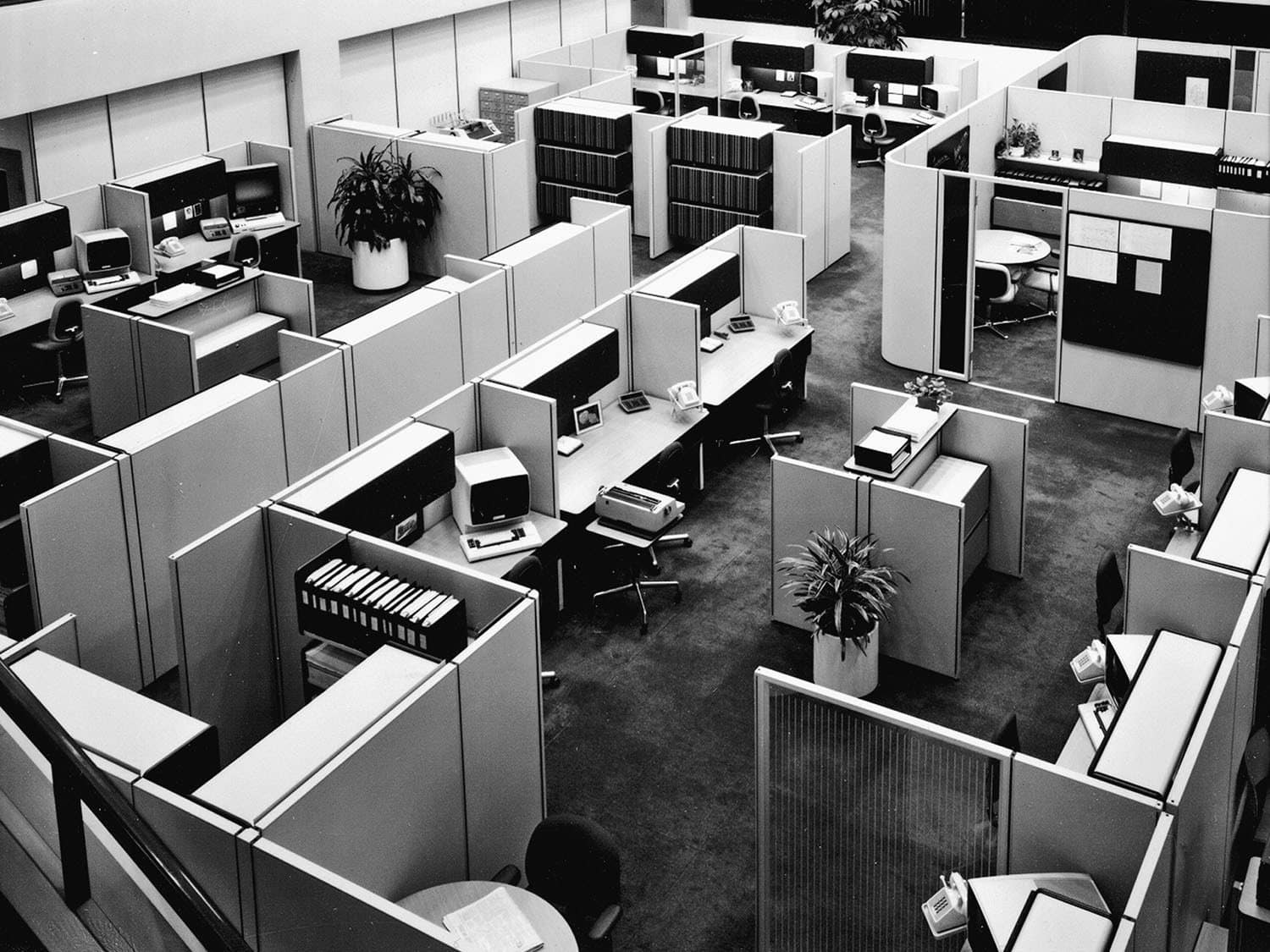
二十一岁的黄仁勋开着那辆满载家当的旧车驶入桑尼维尔(Sunnyvale)时,在硅谷数以万计雄心勃勃的年轻工程师中,他渺小得如同一粒尘埃。
When twenty-one-year-old Jensen Huang drove that old car, loaded with everything they owned, into Sunnyvale, among the tens of thousands of ambitious young engineers of Silicon Valley he was as small as a grain of dust.
他的第一站,是当时正在与英特尔贴身肉搏的超威半导体(AMD)。
His first stop was AMD, then locked in hand-to-hand combat with Intel.
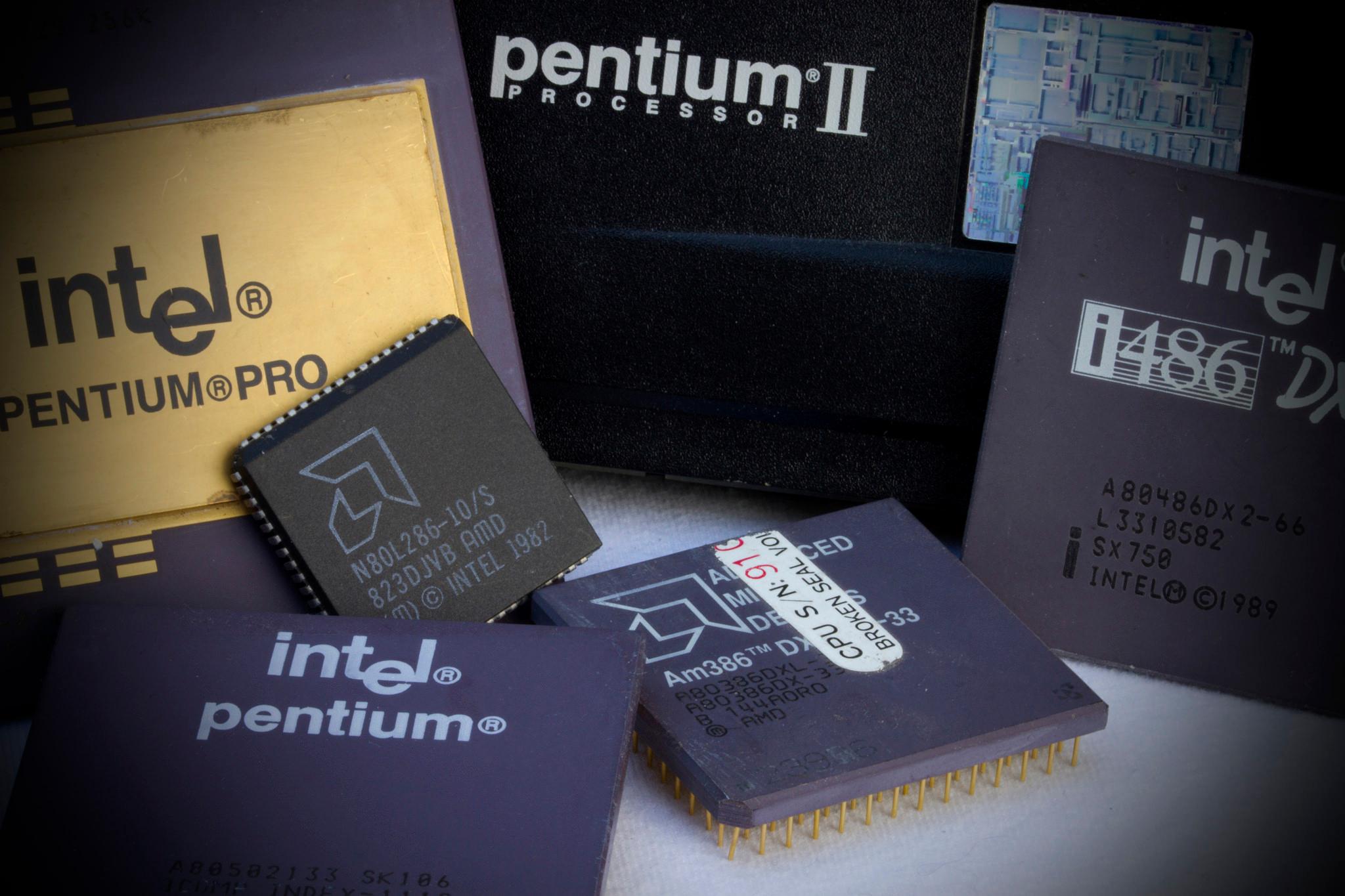
八十年代中期的AMD,在传奇创始人杰里·桑德斯(Jerry Sanders)的率领下,正处于一种“硅谷牛仔”式的狂野扩张期。桑德斯那句著名的口号——“真男人就要有自己的晶圆厂(Real men have fabs)”——响彻整个半导体界。二十一岁的黄仁勋被分配到微处理器设计部门,每天面对着复杂至极的Am29000及x86兼容芯片的逻辑电路图。
AMD in the mid-eighties, led by its legendary founder Jerry Sanders, was in a period of wild, Silicon Valley-cowboy expansion. Sanders's famous slogan—"Real men have fabs"—rang through the entire semiconductor world. Twenty-one-year-old Jensen Huang was assigned to the microprocessor design division, where every day he faced logic diagrams of the fiendishly complex Am29000 and x86-compatible chips.
对于一个刚走出俄勒冈州立大学校门的本科生而言,AMD是一座残酷而高效的炼钢炉。在这里,黄仁勋第一次见识到了工业级超大规模集成电路(VLSI)是如何从一行行寄存器传输级描述,最终变成硅晶圆上数以十万计的晶体管阵列的。他像海绵一样疯狂吸收着微架构设计的每一个细节,往往整个部门的人都下班走光了,他的工位上还亮着孤灯。
For a bachelor fresh out of Oregon State University, AMD was a brutal and vastly efficient steel furnace. Here Jensen Huang saw for the first time how industrial-grade very-large-scale integration—VLSI—passed from lines of register-transfer-level description into arrays of hundreds of thousands of transistors on a silicon wafer. He absorbed every detail of microarchitecture design like a sponge in a downpour; often, after everyone else in the division had gone home, a lone lamp still burned over his desk.
但仅仅干了一年多,二十二岁的黄仁勋就看清了一个令他不安的事实:在大一统的通用CPU战场上,AMD始终活在英特尔巨大的阴影之下,工程师们每天绞尽脑汁压榨百分之几的时钟频率,却很难真正定义计算的未来。更重要的是,他敏锐地察觉到,半导体行业正在酝酿一场从“标准通用芯片”向“定制化专用芯片”的范式转移。
Yet after barely more than a year, twenty-two-year-old Jensen Huang saw clearly a fact that unsettled him: on the battlefield of the all-conquering general-purpose CPU, AMD lived forever under Intel's enormous shadow, its engineers racking their brains every day to squeeze out another few percent of clock frequency while never truly defining the future of computing. More important, he sensed sharply that the semiconductor industry was gestating a paradigm shift, from "standard general-purpose chips" toward "custom application-specific chips."
1985年底,黄仁勋果断递交辞呈,跳槽到了位于米尔皮塔斯(Milpitas)的一家新兴明星企业——巨积公司(LSI Logic)。
At the end of 1985, Jensen Huang handed in his resignation without hesitation and jumped to a rising star in Milpitas: LSI Logic.
如果说丹尼餐厅塑造了黄仁勋的性格底色,那么在LSI Logic度过的整整七年,则真正锻造出了日后那位算力帝国统帅的骨骼与神经。
If Denny's shaped the base color of Jensen Huang's character, then the seven full years he spent at LSI Logic truly forged the skeleton and the nerves of the man who would one day command an empire of computing power.
LSI Logic由英特尔早期元老威尔弗雷德·科里根(Wilfred Corrigan)创立,是当时专用集成电路(ASIC)领域的绝对先驱。与英特尔卖标准微处理器不同,LSI Logic做的是“芯片界的裁缝”——无论是太阳微系统的工作站、索尼的游戏机还是军工企业的雷达,只要客户提出特定算力需求,LSI就能利用模块化的门阵列技术,在短短几个月内为客户量身定制出一颗专用芯片。
LSI Logic, founded by the early Intel veteran Wilfred Corrigan, was the absolute pioneer of its day in application-specific integrated circuits—ASICs. Unlike Intel, which sold standard microprocessors, LSI Logic was the tailor of the chip world: whether the client was Sun Microsystems building workstations, Sony building game consoles, or a defense contractor building radar, so long as the customer named a specific computing need, LSI could use modular gate-array technology to cut a bespoke chip to measure within a few months.
刚进LSI Logic时,黄仁勋依然是一名纯粹的硬核工程师。很快,周围比他年长十岁、出身名校的同事们就发现,这个说话语速极快、眼神锐利的华裔青年是个不折不扣的“怪物”。他对芯片底层时序收敛与逻辑综合的直觉准得可怕,别人需要三天才能排查出的仿真死锁,他往往盯着波形图看上半小时就能一针见血地指出病灶。
When he first joined LSI Logic, Jensen Huang was still a pure hardcore engineer. Colleagues ten years his senior, graduates of famous schools, quickly discovered that this Chinese-American with the machine-gun speech and the knife-sharp gaze was a "monster" through and through. His intuition for timing closure and logic synthesis at the foundations of the chip was frighteningly accurate; a simulation deadlock that took others three days to hunt down, he could often pin with one needle-prick after half an hour of staring at a waveform.
白天的十几个小时高强度工作,依然填不满他体内那台轰鸣运转的引擎。
Even ten-plus hours of high-intensity work in the daytime could not fill the roaring engine inside him.
为了补齐自己在顶尖学术理论与硅谷核心人脉上的短板,黄仁勋报名参加了斯坦福大学(Stanford University)的荣誉合作项目(Honors Co-op Program)——这是一种专为硅谷在职精英设计的半工半读硕士项目。整整几年时间里,他过着清教徒般严酷的双重生活:白天在LSI Logic处理堆积如山的芯片设计任务,傍晚胡乱啃几口三明治,便踩下油门赶往帕洛奥图的斯坦福校园听课,或是深夜在家里对着电视录像带啃读斯坦福教授的微电子与计算机架构讲义。
To close the gaps in his top-tier academic theory and in his core Silicon Valley connections, Jensen Huang enrolled in Stanford University's Honors Co-op Program—a work-and-study master's program built for Silicon Valley's working elite. For several whole years he lived a double life of Puritan severity: by day at LSI Logic grinding through chip-design tasks piled like mountains; in the early evening swallowing a few hasty bites of sandwich before flooring the accelerator toward the Stanford campus in Palo Alto for lectures; or at midnight at home, bent over videotaped lectures and Stanford professors' notes on microelectronics and computer architecture.
那段时间,他与洛丽在圣何塞买下了人生第一套简陋的小房子,不久后大儿子黄胜斌(Spencer)与女儿黄敏珊(Madison)相继出生。初为人父的琐碎辛劳与双线作战的重压交织在一起,每当深夜孩子啼哭入睡后,餐桌旁总能看到黄仁勋埋头推演公式的背影。1992年,二十九岁的黄仁勋如愿拿下了斯坦福大学电气工程硕士学位——而斯坦福,也从此成了他日后创业融资、招揽天才(包括二十年后改变英伟达命运的CUDA之父伊恩·巴克)的核心根据地。
In that period, he and Lori bought their first crude little house in San Jose, and before long their elder son Spencer and their daughter Madison arrived one after another. The small toils of new fatherhood wove together with the crushing weight of fighting on two fronts; late at night, whenever the crying children finally slept, Jensen Huang could be found at the table, head down, working through formulas. In 1992, at twenty-nine, he took, as he had hoped, his master's degree in Electrical Engineering from Stanford—and Stanford became, from then on, his core base for raising money and recruiting genius in the years of building his own company (including Ian Buck, father of CUDA, who twenty years later would change NVIDIA's fate).
然而,在LSI Logic的七年里,黄仁勋做出的最伟大决定并非写出了某段天才代码,而是主动“背叛”了工程师的舒适区。
Yet the greatest decision Jensen Huang made in his seven years at LSI Logic was not the writing of some stroke of genius in code. It was his choice to deliberately "betray" the comfort zone of the engineer.
在硅谷,绝大多数顶尖技术天才都有一种根深蒂固的傲慢:他们鄙视穿西装的销售员,认为只要产品技术指标天下第一,客户自然会跪着上门求购。但在研发部门摸爬滚打了几年后,黄仁勋看透了商业世界的冷酷真相——无数在实验室里精妙绝伦的芯片架构,最终都因为不懂客户痛点、错判市场窗口或定价失误,变成了仓库里一文不值的沙子。
In Silicon Valley, nearly all top technical geniuses carry a pride rooted to the marrow: they scorn the salesmen in suits, convinced that if the product's technical numbers are the finest on earth, customers will come crawling to buy. But after a few years of hard scrabbling in the research division, Jensen Huang saw through the cold truth of the commercial world: countless chip architectures of breathtaking elegance in the laboratory ended as sand of no value in a warehouse, undone by ignorance of the customer's pain, misjudged market windows, or botched pricing.
他想要兑现十八岁时对洛丽许下的“三十岁当CEO”的诺言,而一个只懂画电路图的人,永远不可能统帅三军。
He wanted to make good on the promise made to Lori at eighteen—"CEO by thirty"—and a man who knew only how to draw circuit diagrams would never command three armies.
二十六七岁那年,已经是工程部门骨干的黄仁勋主动走进高管办公室,提出了一个让所有同事大跌眼镜的请求:他申请调离纯粹的研发岗位,转去销售与市场部门,最终出任了LSI Logic最核心的“片上系统”(CoreWare)事业部总监。
At twenty-six or twenty-seven, already a pillar of the engineering division, Jensen Huang walked into the executive offices of his own accord with a request that dropped every colleague's jaw: he asked to leave pure research and transfer to sales and marketing, and in the end took charge as director of LSI Logic's most vital CoreWare division—the system on a chip.
这一次转身,彻底打通了他的任督二脉。
That one pivot unblocked, at a single stroke, the two great meridians running through him.
作为CoreWare的掌舵人,黄仁勋不再只是对着冷冰冰的EDA软件编程。他不得不穿上并不合身的西装,拎着公文包飞往东京、台北与美国东海岸,坐在索尼、苹果、Sun等巨头最挑剔的采购副总裁与首席架构师对面。
As the man at the helm of CoreWare, Jensen Huang no longer merely programmed at cold EDA software. He had to squeeze into an ill-fitting suit, carry a briefcase to Tokyo, Taipei, and the East Coast of the United States, and sit across from the most exacting procurement vice presidents and chief architects of giants like Sony, Apple, and Sun.
他学会了如何在三十分钟内看穿一家大公司的内部政治博弈;学会了如何把晦涩难懂的硅片面积(Die Size)、良率(Yield)与封装成本,换算成令客户心跳加速的商业利润率;更关键的是,他在LSI的定制化芯片业务中提前预演了整个现代半导体产业的分工雏形——软件定义硬件,生态绑定客户。在推销CoreWare模块时,黄仁勋意识到,真正让客户无法离开你的不是单一的一颗裸芯片,而是配套的开发工具链与知识产权库(IP)。这一认知,几乎就是十五年后CUDA护城河最初的胚胎。
He learned to read a large company's internal political games within thirty minutes; learned to turn the opaque arcana of die size, yield, and packaging cost into commercial margins quick enough to make a client's heart race; and, most crucial of all, in LSI's custom-chip business he rehearsed in advance the primal division of labor of the whole modern semiconductor industry—software defines the hardware, and the ecosystem binds the customer. While selling CoreWare modules, Jensen Huang realized that what truly made it impossible for customers to leave you was never a single bare chip, but the tool chain and the library of intellectual property that came with it. That insight was very nearly the first embryo of the moat CUDA would dig fifteen years later.
他的商业手腕与技术穿透力,深深折服了总裁威尔弗雷德·科里根。这位性格强硬的半导体教父级人物对黄仁勋青眼有加,甚至在私下里将这个不到三十岁的华裔年轻人视为LSI未来的核心接班梯队人选。
His commercial touch and his technological penetration won over the president, Wilfred Corrigan, completely. This hard-edged godfather of the semiconductor world held Jensen Huang in special favor, and counted this Chinese-American not yet thirty, in private, among the core candidates of LSI's future succession.
就在黄仁勋在LSI Logic如鱼得水、年薪优厚、前途一片光明之际,命运的齿轮在1992年末悄然咬合。
Just as Jensen Huang swam like a fish in water at LSI Logic—salary handsome, prospects all light—the gears of fate meshed quietly at the end of 1992.
一天,黄仁勋的办公桌电话响了。打来电话的是他在硅谷工作往来中相熟的两位顶尖硬件天才:克里斯·马拉科夫斯基(Chris Malachowsky) 和 柯蒂斯·普里姆(Curtis Priem)。
One day, the telephone on Jensen Huang's desk rang. On the line were two of the top hardware geniuses he had come to know in his Silicon Valley work: Chris Malachowsky and Curtis Priem.
当时的马拉科夫斯基三十四岁,普里姆三十三岁,两人都是太阳微系统(Sun Microsystems)的明星级高级工程师。他们曾联手设计出震惊业界的工作站图形加速芯片GX架构,是整个硅谷最懂如何用硅片画出像素的绝顶高手。然而此时的两人正窝在一间狭小的联排别墅里满腹怨气:Sun公司内部官僚主义横行,管理层对他们提出的新一代图形架构视而不见,两人已经萌生退意,决意拉一支队伍单干。
Malachowsky was then thirty-four and Priem thirty-three, both star senior engineers at Sun Microsystems. Together they had designed the GX graphics-accelerator architecture for workstations that had stunned the industry; of everyone in Silicon Valley they understood best how to make silicon draw pixels. Yet the two of them were now holed up in a cramped townhouse, full of grievance: bureaucracy ran rampant inside Sun, management turned a blind eye to the next-generation graphics architecture they had proposed, and both had begun to think of leaving, resolved to pull a team together and go it alone.
但这两位纯粹的技术极客心里非常清楚自己的短板:普里姆是个每天只知道埋头写架构文档的怪才,马拉科夫斯基虽然沉稳严谨,但两人都对如何开公司、如何融资、如何管理供应链和把芯片卖出去一窍不通。
But these two pure tech obsessives knew the holes in their own armor with perfect clarity: Priem was an odd genius who did nothing all day but bury himself in architecture documents; Malachowsky was steady and rigorous, yet neither of them had the faintest idea how to start a company, how to raise money, how to manage a supply chain, or how to sell a chip.
当他们盘点整个硅谷“既能瞬间听懂最深奥的晶体管架构,又能像鲨鱼一样在市场上撕开血路”的人选时,脑海里同时蹦出了同一个名字——LSI Logic那个精力过剩、语速像机关枪一样的年轻人,Jensen Huang。
When they took inventory of everyone in Silicon Valley who could both grasp the deepest transistor architecture in an instant and carve a bleeding road through the market like a shark, the same name leapt into both their minds at the same moment—the young man at LSI Logic with the surplus of energy and the machine-gun speaking rate, Jensen Huang.
第一次秘密碰头后,火花瞬间引爆。
After their first secret meeting, the sparks detonated at once.
在1992年那个阴冷多雨的冬天,三个人找不到既安全又便宜、还能随时续杯咖啡的密谈地点。黄仁勋微微一笑,指了指圣何塞东贝里萨路(East Berryessa Road)街角那块熟悉的红黄色霓虹灯招牌:
In the dank, rainy winter of 1992, the three men could find no place to conspire that was safe, cheap, and kept the coffee refills coming. Jensen Huang smiled faintly and pointed at the familiar red-and-yellow neon sign on the corner of East Berryessa Road in San Jose:
“去丹尼餐厅吧,那里的门道我熟。”
"Let's go to Denny's. I know all the ways in and out of that place."
于是,硅谷历史上最具传奇色彩的一幕拉开了序幕。在东贝里萨路这家24小时营业的丹尼餐厅最角落的弧形皮质卡座里——紧挨着墙上密密麻麻的疑似弹孔(这家餐厅地处治安欠佳的街区,曾遭遇过街头流弹袭击,窗户上留有孔洞)——三个年轻人面前摆着摞成小山的廉价煎饼盘子和永远喝不完的劣质黑咖啡,一坐就是四五个小时。
And so began one of the most storied scenes in the history of Silicon Valley. In the curved leather booth in the farthest corner of that twenty-four-hour Denny's on East Berryessa Road—right beside a wall pocked with what looked like bullet holes (the restaurant stood in a rough neighborhood and had once been grazed by stray street gunfire, leaving holes in its windows)—in front of the three young men sat cheap plates of pancakes stacked like a small hill and black coffee of the humblest grade that was never allowed to run out, and they would sit for four and five hours at a stretch.
跑堂的服务生一遍遍走过来往他们的马克杯里添咖啡,根本不会想到,这桌穿着格子衬衫、为了省钱反复薅免费续杯羊毛的食客,正在餐巾纸上勾勒一个日后价值四万亿美元的庞然大物。
The waiters came by again and again to top up their mugs, never imagining that these customers in plaid shirts, milking the free refills for all they were worth to save money, were sketching on paper napkins the outlines of a colossus that would one day be worth four trillion dollars.
最初,三人的争论激烈得几乎要掀翻桌子。马拉科夫斯基和普里姆想做他们最擅长的老本行——给昂贵的企业级工作站做高端图形芯片;但已经在市场一线厮杀多年的黄仁勋一针见血地否决了这个方案。
At first the three argued so fiercely the table nearly went over. Malachowsky and Priem wanted to do the work they knew best—high-end graphics chips for expensive enterprise workstations; but Jensen Huang, who had already bled for years on the market's front lines, vetoed the plan with one clean stroke.
黄仁勋用叉子敲着桌面,向两位大他几岁的搭档描绘了一幅令他们头皮发麻的图景:当时英特尔刚刚推出486并即将发布奔腾(Pentium)处理器,微软的Windows 3.1正在横扫千家万户。过去只有好莱坞特效公司和军方才用得起的三维图形技术,即将随着个人电脑(PC)成本的雪崩冲进普通人的卧室!
Tapping the table with his fork, Jensen Huang painted for his two partners, several years his seniors, a picture that made their scalps crawl: Intel had just shipped the 486 and was about to release the Pentium; Microsoft's Windows 3.1 was sweeping through household after household. Three-dimensional graphics—technology that in the past only Hollywood effects houses and the military could afford—was about to crash into ordinary people's bedrooms on the avalanche of falling PC prices.
“不要去做几万美元一台的工作站市场,”黄仁勋的眼睛在餐厅昏黄的灯光下亮得吓人,“我们要把超级计算机级别的三维图形能力,塞进几百美元的消费级PC显卡里。我们要去抓浪潮最汹涌的地方——电子游戏!”
"Stay out of the workstation market at tens of thousands of dollars a machine," Jensen Huang said, his eyes frighteningly bright under the diner's dim yellow light. "We are going to stuff supercomputer-class three-dimensional graphics into consumer PC graphics cards that cost a few hundred dollars. We are going to seize the place where the wave is heaviest—video games."
普里姆和马拉科夫斯基起初觉得这简直是疯子的呓语:游戏?那是小孩子的玩意儿,市场规模几乎为零,怎么可能养活一家昂贵的半导体公司?
At first Priem and Malachowsky thought this was the babbling of a madman: games? That was a child's toy, a market of nearly zero size—how could it possibly feed an expensive semiconductor company?
黄仁勋抛出了那句日后贯穿英伟达三十三年历史的灵魂逻辑:“正因为现在这个市场是零亿美元,巨头们才看不上;一旦我们把它做出来,它就是一个百亿美元的帝国!”
Jensen Huang threw out the soul-logic that would run through all thirty-three years of NVIDIA's history: "It is precisely because this market is worth zero dollars today that the giants dismiss it; the moment we build it, it is a ten-billion-dollar empire."
两位技术天才被彻底说服了。他们一致同意,必须由黄仁勋来出任这家新公司的首席执行官。
The two technical geniuses were won over completely. They agreed unanimously that Jensen Huang must serve as chief executive of the new company.
回到家中,黄仁勋把这个疯狂的计划告诉了妻子洛丽,也试探着跟母亲罗采秀提了一嘴。听说儿子要放弃LSI总监的铁饭碗去搞什么“打游戏的芯片”,母亲疑惑地皱起眉头:“你为什么要去开一家做电子游戏的公司?三十岁的人了,找份正经工作不好吗?”而妻子洛丽看着丈夫眼里那团与十二年前俄勒冈秋风里一模一样的火焰,只是平静地点了点头:“去吧,你答应过我的。”
At home, Jensen Huang told his wife Lori about the mad plan, and floated it, cautiously, to his mother Luo Caixiu. Hearing that her son meant to throw away the iron rice bowl of an LSI directorship to make "chips for playing games," his mother frowned in bewilderment: "Why would you go start a company that makes video games? You're thirty years old—isn't a proper job better?" His wife Lori, watching in her husband's eyes that same flame from twelve years before in the Oregon autumn, simply nodded calmly: "Go. You promised me."
离开LSI Logic的最后一天,黄仁勋走进恩师兼老板威尔弗雷德·科里根的办公室辞行。听完黄仁勋天花乱坠的“PC三维游戏芯片”商业计划,这位见多识广的半导体老兵沉默了良久,觉得这个商业模式简直荒谬绝伦,根本活不过一年。
On his last day at LSI Logic, Jensen Huang walked into the office of his mentor and boss, Wilfred Corrigan, to say farewell. Having heard Jensen Huang's soaring business plan for PC three-dimensional game chips, this well-traveled veteran of the semiconductor world fell silent for a long while, judging the business model absurd beyond all reason—it could not possibly live out the year.
但科里根没有挽留,反而拿起了桌上的电话,直接拨通了硅谷顶级风险投资机构红杉资本(Sequoia Capital)创始人唐·瓦伦丁(Don Valentine)的私人专线。
But Corrigan did not try to keep him. Instead he picked up the telephone on his desk and dialed the private line of Don Valentine, founder of Sequoia Capital, Silicon Valley's premier venture firm.
“唐,”科里根对着话筒说,“我手下最好的一个年轻人要出去创业了。老实说,我完全听不懂他到底想干什么鬼东西,这个点子听起来糟透了——但你必须给他投钱,因为这小子是我见过最狠的赢家,投他这个人就够了。”
"Don," Corrigan said into the receiver, "the best young man I have is leaving to start his own company. Honestly, I have no idea what the hell he is trying to do, and the idea sounds terrible—but you must put money into him, because this kid is the fiercest winner I have ever met, and betting on the man himself is enough."
1993年2月17日。
February 17, 1993.
这一天,恰好是黄仁勋满三十周岁的生日。
That day happened to be Jensen Huang's thirtieth birthday.
没有鲜花,没有香槟,只有银行账户里三人凑出来的四万美元启动资金(每人象征性地出资200美元买下创始股份),以及律师事务所里等待签署的工商注册文件。距离十八岁那年在俄勒冈州立大学小径上对洛丽许下“三十岁前拥有自己的公司并出任CEO”的诺言,分秒不差,整整十二年。
No flowers, no champagne—only the forty thousand dollars of start-up money the three of them had scraped together in a bank account (each contributing, symbolically, 200 dollars for his founding shares), and the incorporation papers waiting for signatures at the law firm. From the promise made to Lori at eighteen on a path at Oregon State University—a company of his own and the post of CEO before thirty—exactly twelve years had passed, to the very day.
在这个阴冷的早春早晨,三十岁的黄仁勋握紧钢笔,在首席执行官一栏签下了自己的名字。新公司的名字源自普里姆电脑里一摞未命名设计文件的代号“NV”(Next Version,下一代),他们在拉丁语词典里翻到了发音相近的词根 Invidia ——在古罗马神话中,那代表着“令人嫉妒与艳羡的凝视”。
On that chill morning of earliest spring, thirty-year-old Jensen Huang tightened his grip on the pen and signed his name on the line for Chief Executive Officer. The new company's name grew out of the codename NV—Next Version—of a stack of unnamed design files on Priem's computer; in a Latin dictionary they found the near-homophonous root Invidia—in the mythology of ancient Rome, the gaze that stirs envy and covetous longing.
NVIDIA(英伟达),就此诞生。
NVIDIA was born, there and then.
走出律师楼大门时,三十岁的黄仁勋深吸了一口硅谷清冽的空气,意气风发得仿佛整个世界都已是囊中之物。那时的他年轻、自负、从未尝过真正惨败的滋味;他还不知道,老天爷为这份狂妄准备的成人礼有多么血腥——在接下来的四年里,他将犯下致命的傲慢错误,亲手把这家公司带进死胡同,裁掉一半并肩作战的兄弟,并在距离破产清盘只剩三十天的悬崖边上,低下高昂的头颅去祈求一线生机。
Walking out through the doors of the law firm, thirty-year-old Jensen Huang drew a deep breath of Silicon Valley's crisp air, flushed with the belief that the whole world was already in his pocket. He was young then, and vain, and had never tasted a true and crushing defeat; he did not yet know how bloody the rite of passage heaven had prepared for such arrogance would be. In the four years ahead he would commit the fatal error of pride, drive the company with his own hands into a dead end, lay off half the brothers who fought beside him, and on the cliff edge thirty days from bankruptcy and liquidation, bow the head he had held so high and beg for one thread of life.
(第一部《漂泊与淬炼》完)
(End of Part One: Drifting and Tempering)
接下来我们将踏入全书火药味最浓、节奏最窒息的第二部:向死而生(1993—1998),首章为第五章《丹尼餐厅卡座里的密谋与红杉的拷问(1993)》
Next we step into the most explosive, most breath-stopping stretch of the book, Part Two: Living Toward Death (1993–1998), opening with Chapter Five: The Conspiracy in the Denny's Booth and the Interrogation of Sequoia (1993).