第十一章:移动时代的败走与体面撤退(2008—2014)
Chapter Eleven: The Rout of the Mobile Era and a Graceful Retreat (2008–2014)
如果说CUDA是黄仁勋凭一己之力对抗全世界的孤独远征,那么在智能手机浪潮中的搏杀,则是他商业生涯里最憋屈、最苦涩的一次正面溃败——但也正是在这场败仗的废墟上,他展现出了硅谷罕见的战略止损智慧。
If CUDA was Huang's lonely expedition against the entire world, single-handed, then the brawl in the tide of smartphones was the most stifling, most bitter frontal rout of his business career — and yet it was precisely on the ruins of that defeat that he displayed a brand of strategic loss-cutting wisdom rarely seen in Silicon Valley.
时间拨回2007年1月9日,旧金山马士孔尼会展中心。
Turn the clock back to January 9, 2007. The Moscone Convention Center, San Francisco.
当身穿黑色高领毛衣的史蒂夫·乔布斯从牛仔裤口袋里掏出初代iPhone,用手指轻轻滑过那块没有物理键盘的多点触控电容屏时,整个传统PC产业的地面都在剧烈震颤。紧接着一年后,谷歌联手HTC推出首款安卓(Android)手机,移动互联网的滔天巨浪呼啸而来。
When Steve Jobs, in his black turtleneck, slid his hand into a jeans pocket and drew out the original iPhone, brushing a finger lightly across a multi-touch capacitive screen that had no physical keyboard, the very ground of the entire traditional PC industry trembled violently. One year later, Google joined hands with HTC to launch the first Android phone, and the towering tsunami of the mobile internet came howling in.
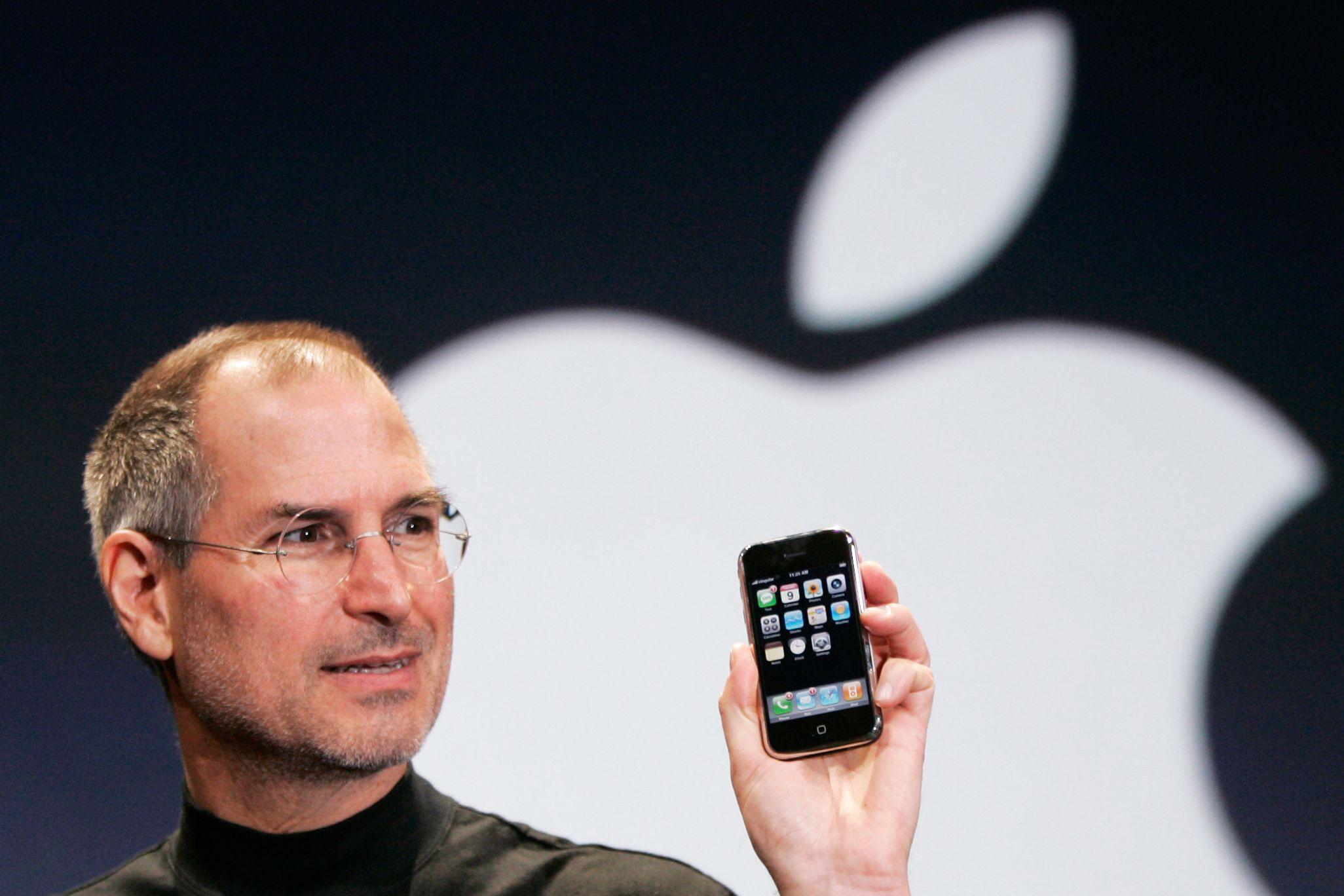
当时的硅谷弥漫着一种末日般的恐慌:“PC已死(PC is Dead)。” 华尔街分析师们笃定地预言,未来的年轻人只需要一部揣在兜里的智能手机和一块躺在沙发上刷网页的平板电脑,笨重耗电的台式机和游戏显卡将像蒸汽机一样被扫进历史垃圾堆。
Silicon Valley at that moment was saturated with a doom-stricken panic: "The PC is dead." Wall Street's analysts prophesied with serene certainty that the young people of the future would need only a smartphone tucked in the pocket and a tablet for browsing on the sofa, and that the clunky, power-hungry desktop machine and the gaming graphics card would be swept into history's garbage heap like the steam engine.
坐在圣克拉拉总部里的黄仁勋,同样嗅到了致命的危机。
Sitting in the Santa Clara headquarters, Huang smelled the mortal danger too.
此时的英伟达正处于腹背受敌的夹缝之中:英特尔和AMD双双宣布要把图形核心直接焊死在CPU内部(集成显卡与APU战略),企图直接消灭中低端独立显卡市场;而CUDA还在漫长的寒冬里烧钱,远水救不了近火。如果英伟达不能跳上智能手机这艘时代方舟,一旦PC基本盘萎缩,公司连养活CUDA研发团队的现金流都会断绝。
NVIDIA at that moment stood in a crevice, attacked from before and behind: Intel and AMD had both announced they would solder graphics cores directly inside the CPU (the integrated-graphics and APU strategies), aiming to erase the mid-and-low-end standalone graphics market outright; while CUDA was still burning money in its long winter, and water too far away cannot put out a fire close at hand. If NVIDIA could not leap aboard the ark of the smartphone, then once the PC's base ground eroded, even the cash flow that fed the CUDA research team would be severed.
其实,黄仁勋动手并不算晚。早在乔布斯筹备初代iPhone的前夕,乔布斯曾亲自找过黄仁勋,探讨由英伟达为苹果未来的移动设备提供芯片方案的可能;与此同时,英伟达也先后收购了MediaQ、PortalPlayer(曾为苹果iPod提供核心主控芯片的功臣)等团队,秘密锻造属于自己的ARM架构移动系统级芯片(SoC)。
In truth, Huang had not moved late. Back before Jobs was preparing the original iPhone, Jobs had personally sought out Huang to explore whether NVIDIA might supply the chip solution for Apple's future mobile devices; at the same time, NVIDIA had acquired, one after another, teams such as MediaQ and PortalPlayer (the hero that had once supplied the core controller chips for Apple's iPod), secretly forging an ARM-architecture mobile system-on-chip (SoC) of its own.
2008年6月,英伟达正式亮出了杀入移动战场的重剑——Tegra(图睿)系列处理器。
In June 2008, NVIDIA formally unsheathed the heavy sword it would carry into the mobile battlefield — the Tegra family of processors.
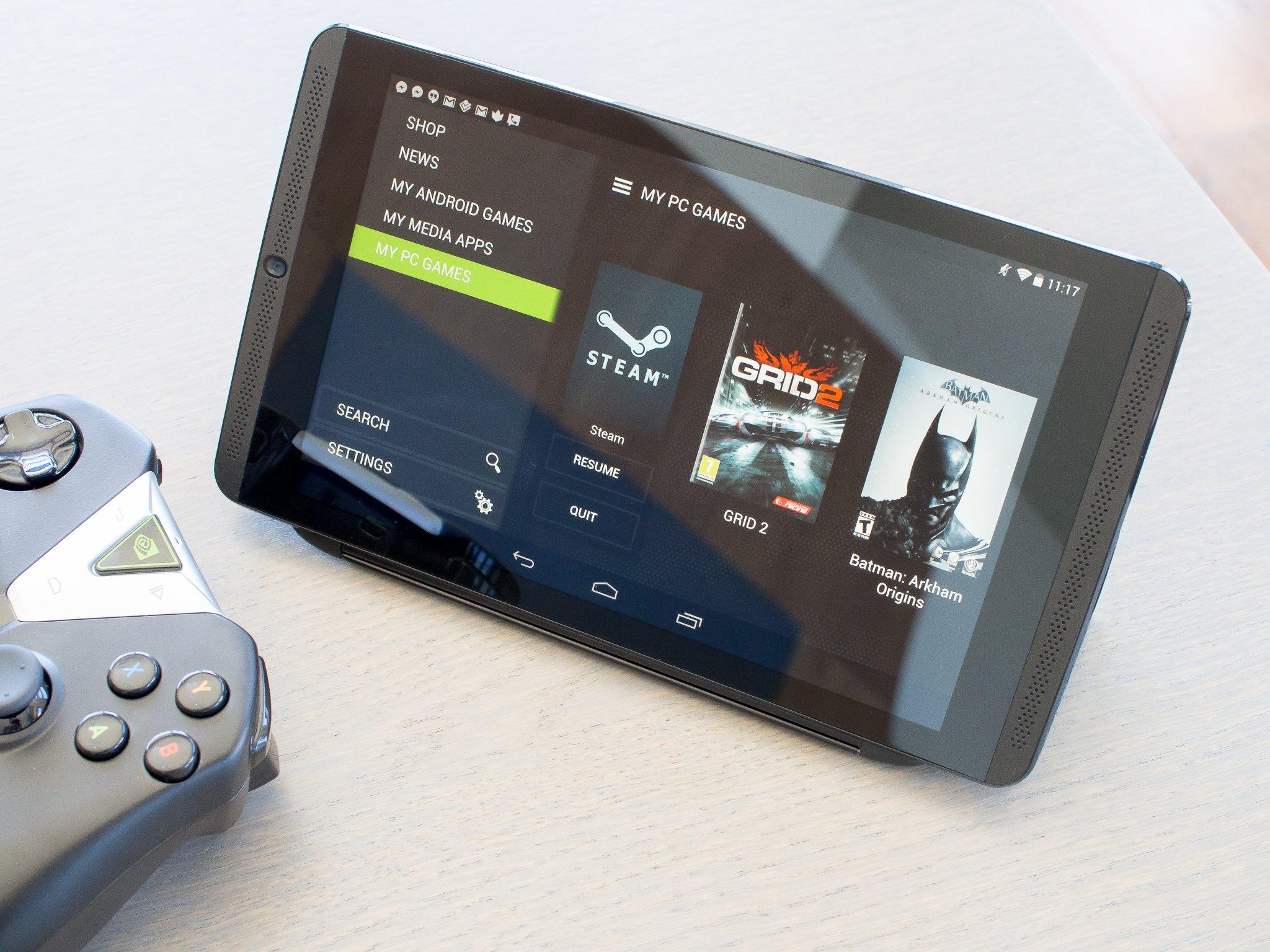
在最初的两三年里,Tegra确实打出了令整个移动界侧目的闪电战。2010年至2011年发布的Tegra 2(全球首款移动端双核处理器)和Tegra 3(全球首款移动端四核处理器),把PC显卡级别的光影特效硬生生塞进了巴掌大的手机屏幕里。一时间,摩托罗拉、LG、HTC乃至谷歌自家的明星平板Nexus 7、微软首代Surface RT平板,全都排着队搭载英伟达的芯片;甚至连远在北京刚创立不久的小米公司,雷军在2011年和2013年发布小米手机时,也将搭载Tegra芯片的小米3(移动版)作为性能发烧的核心卖点。
In the first two or three years, Tegra did indeed wage a blitz that made the entire mobile world sit up and stare. The Tegra 2 (the world's first dual-core mobile processor) and the Tegra 3 (the world's first quad-core mobile processor), released in 2010 and 2011, crammed PC-graphics-class light-and-shadow effects bodily into a phone screen the size of a palm. For a time, Motorola, LG, HTC, Google's own star tablet the Nexus 7, and Microsoft's first Surface RT tablet all queued up to carry NVIDIA's silicon; even Xiaomi — founded barely a few years earlier, far away in Beijing — made the Tegra-equipped Xiaomi 3 (mobile edition) the core selling point of performance mania when Lei Jun unveiled his phones in 2011 and 2013.
2011年前后,意气风发的黄仁勋甚至在投资人大会上放出豪言:Tegra业务将在几年内飙升至数十亿美元规模,成为英伟达的第二增长曲线!
Around 2011, in the full flush of confidence, Huang even let loose a grand boast at an investor conference: within a few years the Tegra business would soar into the billions of dollars, becoming NVIDIA's second curve of growth!
然而,智能手机战场的残酷底层逻辑,很快给了这位图形霸主一记响亮的耳光。
But the brutal underlying logic of the smartphone battlefield soon boxed this overlord of graphics a resounding slap across the face.
在PC世界里,玩家愿意为了多出20%的画面帧率忍受呼呼作响的风扇和高昂的售价;但在一部塞满电池与天线的轻薄手机里,决定生死的根本不是你的3D游戏画面有多绚丽,而是两件枯燥至极的事——超低功耗散热,以及那颗极其难啃的基带通信芯片(Modem)。
In the PC world, players would endure roaring fans and steep price tags for twenty percent more frames; but inside a slim phone crammed with battery and antenna, what decided life and death was never how dazzling your 3D game looked — it was two dreary things: ultra-low-power heat control, and that supremely hard-to-chew bone, the baseband modem chip.
这恰恰是圣盖博和圣迭戈那头通讯巨鳄——高通(Qualcomm)——经营了二十年的铜墙铁壁。
And that was precisely the rampart of bronze and iron that the communications leviathan of San Gabriel and San Diego — Qualcomm — had spent twenty years building.
高通手握全球3G与4G(LTE)移动通信最核心的专利护城河,它的骁龙(Snapdragon)处理器从娘胎里就把CPU、GPU与全球全网通基带完美整合在同一块硅片上,手机厂商买回去就能直接插卡打电话。而英伟达的Tegra虽然图形算力凶猛,却是个不会打电话的“哑巴芯片”,必须外挂一颗第三方基带芯片——这不仅让手机主板面积捉襟见肘,更引发了灾难性的发热与耗电崩盘。用早期Tegra手机的用户纷纷吐槽手机烫得能煎鸡蛋,电量半天就见底。
Qualcomm held in its grip the deepest patent moat of global 3G and 4G (LTE) mobile communications; its Snapdragon processors integrated CPU, GPU, and a worldwide all-band baseband perfectly into one piece of silicon from the womb, so a phone maker could buy it, drop in a SIM card, and start calling. NVIDIA's Tegra, though a monster at graphics, was a mute chip that could not place a call and had to hang a third-party baseband chip alongside — which not only left the phone's motherboard starved for space, but triggered catastrophic collapses in heat and battery life. Users of the early Tegra phones complained in droves that their handsets were hot enough to fry an egg, and the battery hit bottom within half a day.
为了补齐这块致命短板,黄仁勋在2011年斥资3.67亿美元紧急收购了英国基带芯片初创公司Icera,试图通过软件定义无线电技术强行撕开高通的封锁线。
To patch this fatal shortcoming, Huang spent $367 million in 2011 on the emergency acquisition of the British baseband-chip startup Icera, trying to tear open Qualcomm's blockade by force through software-defined radio.
但这一次,奇迹没有发生。全球成百上千家电信运营商的基站协议认证是一个庞大而泥泞的泥潭,等到Tegra 4i好不容易整合出4G基带时,时间窗口已经彻底关闭了:高端市场上,苹果早已转身自研A系列芯片,三星死守自家的猎户座与高通双轨制;中高端市场上,高通骁龙800系列一统江湖;而在中低端走量市场,台湾联发科(MediaTek)与大陆展锐正以极其凶残的“白菜价”把利润压榨到以美分计算。
But this time, no miracle happened. The base-station protocol certification of hundreds of telecom operators worldwide was a vast and muddy quagmire; by the time the Tegra 4i had at last integrated a 4G baseband, the window of opportunity had closed for good: in the high end, Apple had long since turned to building its own A-series chips, and Samsung held fast to its twin-track of homegrown Exynos and Qualcomm; in the upper-mid range, the Snapdragon 800 series reigned alone; and in the mid-and-low-end volume market, Taiwan's MediaTek and the mainland's UNISOC were crushing profit down to mere cents with ferociously "cabbage-priced" silicon.
到了2013年底至2014年初,原本热闹非凡的Tegra智能手机客户名单几乎归零,连最铁杆的合作伙伴也纷纷倒戈高通。每年数亿美元的基带与移动研发投入像泥牛入海,换来的只有惨淡的几千万美元营收与无休止的亏损。
By the end of 2013 and into early 2014, the once-bustling roster of Tegra smartphone customers had drained almost to zero; even the most iron-clad partners defected to Qualcomm one after another. Hundreds of millions of dollars a year poured into baseband and mobile R&D sank like a clay ox into the sea, and all it bought back was a bleak few tens of millions of dollars in revenue and endless losses.
此时的黄仁勋正站在五十岁的人生关口。
Huang was standing, at that moment, at the fifty-year-old gate of his life.
在硅谷历史上,无数曾经辉煌的帝国都死于创始人的“面子执念”——明明战场已经打输了,却因为舍不得已经砸下去的几十亿美元沉没成本、害怕向华尔街承认失败导致股价暴跌,硬着头皮在红海泥潭里继续添油战术,直到把主业流干耗尽(正如同期英特尔在移动Atom芯片上白白烧掉上百亿美元的悲剧)。
In Silicon Valley history, countless once-brilliant empires died of their founders' obsession with face — the battle already lost, yet because they could not bear to write off billions of dollars in sunk costs already poured in, and dreaded admitting defeat to Wall Street and watching the share price crater, they gritted their teeth and kept feeding troops, drop by drop, into the red-sea swamp until the core business bled dry (exactly the tragedy of Intel, which in the same period burned upwards of $10 billion for nothing on its mobile Atom chips).
2014年春天的一个清晨,黄仁勋把核心管理层召集进圣克拉拉的会议室,做出了一个震惊全行业的冷血决断:全面撤出主流智能手机芯片市场!(次年,英伟达更是直接关停清算了当初花近四亿美元买来的Icera基带部门,干脆利落地剁掉了这截坏死的指头。)
On a morning in the spring of 2014, Huang called the core management into a Santa Clara conference room and made the cold-blooded decision that stunned the entire industry: a total withdrawal from the mainstream smartphone chip market! (The following year NVIDIA went further still, shutting down and liquidating the Icera baseband division it had bought for nearly $400 million, chopping off this necrotic finger clean and quick.)
在公开面对媒体和华尔街分析师时,五十岁的黄仁勋没有任何遮羞布式的外交辞令,直接坦承了战败:
Facing the media and the Wall Street analysts in public, fifty-year-old Huang offered not the fig leaf of a single diplomatic phrase; he confessed the defeat outright:
“智能手机市场已经商品化(Commoditized)了,高通和联发科做得很好,苹果和三星自己在做,这个市场已经不需要英伟达了。如果我们不能在一个市场里创造出独一无二、不可替代的价值,我们就立刻离开,绝不恋战。”
"The smartphone market has been commoditized. Qualcomm and MediaTek do it very well; Apple and Samsung do it themselves. This market no longer needs NVIDIA. If we cannot create unique, irreplaceable value in a market, we leave it immediately — we do not linger to fight."
但黄仁勋真正可怕的地方,不在于他敢于果断认输,而在于他那手出神入化的“战略捡尸与资产重构”绝技。
But what is truly fearsome about Huang is not that he dared to admit defeat without dithering; it is that unearthly mastery of his — the art of "strategic scavenging and asset reconstruction."
砍掉了智能手机和基带业务后,英伟达手里还剩下一堆耗资十数亿美元研发出来的Tegra超低功耗ARM架构与移动GPU技术遗产。换成别人,这堆图纸只能锁进档案柜积灰;黄仁勋却像一位顶级的米其林大厨,盯着这堆“剩菜”,瞬间找到了两个没有任何手机巨头盯防的“新零亿美元市场”。
With the smartphone and baseband businesses cut away, NVIDIA was left holding a pile of legacy: Tegra's ultra-low-power ARM architecture and mobile GPU technology, developed at the cost of more than a billion dollars. In anyone else's hands, that heap of blueprints could only have been locked in a filing cabinet to gather dust; Huang, like a top Michelin-starred chef studying this pile of "leftovers," saw at a glance two "new zero-billion-dollar markets" that not a single phone giant was guarding.
第一刀,他把Tegra塞进了四个轮子的汽车里。
The first cut: he stuffed Tegra into an automobile on four wheels.
早在2010年代初,底特律与德国传统车企的中控台还停留在丑陋卡顿的黑白液晶屏与实体按键时代。唯独硅谷帕洛奥图一个名叫埃隆·马斯克(Elon Musk)的狂人,正准备在划时代的豪华电动轿车特斯拉Model S里干一件疯狂的事——拆掉所有仪表盘按键,直接在车内竖起一块17英寸的巨型触控大屏!
As late as the early 2010s, the center consoles of Detroit and the German incumbents still lingered in the era of ugly, stuttering black-and-white LCD panels and physical buttons. One man alone — a fanatic in Palo Alto, Silicon Valley, named Elon Musk — was preparing, inside the watershed luxury electric sedan Tesla Model S, to do something mad: rip out every dashboard gauge and button, and erect in the cabin a single giant 17-inch touch screen!
传统汽车电子供应商(博世、大陆、瑞萨)被马斯克的想法吓傻了,他们的车规芯片算力连流畅滑动地图都做不到。黄仁勋闻讯后立刻拍马赶到,直接把原本给平板电脑准备的Tegra芯片改造成了车规级计算模块,塞进了Model S的数字座舱与仪表盘里,甚至连奥迪、宝马的新一代虚拟座舱也悉数拿下!更有甚者,黄仁勋顺着这根藤蔓继续往上爬,直接将Tegra与CUDA深度融合,推出了面向自动驾驶的NVIDIA DRIVE车载超级计算平台——从此,手机战场的弃子,摇身一变成了全球智能电动车时代的底层大脑。
The traditional automotive-electronics suppliers (Bosch, Continental, Renesas) were stunned senseless by Musk's idea; their automotive-grade chips lacked the computing muscle even to scroll a map smoothly. Huang, hearing of it, rode straight over at full gallop, remolded the Tegra originally prepared for tablets into an automotive-grade computing module, and stuffed it into the Model S's digital cockpit and instrument cluster — and carried off, into the bargain, the new-generation virtual cockpits of Audi and BMW as well! And Huang did not stop there: climbing further up the vine, he fused Tegra with CUDA deep into one another and launched NVIDIA DRIVE, the onboard supercomputing platform for autonomous driving — and from that moment on, the castoff of the smartphone battlefield stood transformed into the underlying brain of the age of the intelligent electric vehicle.
第二刀,他飞往日本京都,敲开了百年老店任天堂(Nintendo)的大门。
The second cut: he flew to Kyoto, Japan, and knocked on the door of the century-old house of Nintendo.
当时的任天堂正因为客厅主机Wii U的惨败而陷入巨大的财务与战略危机。已故社长岩田聪与宫本茂团队正在构思一台前所未有的“混血怪物”——它既能插在电视底座上当家用主机玩大作,又能拔下来带出门当掌机玩。这就要求这颗核心芯片必须同时具备主机级的图形爆发力与手机级的超低功耗续航,而当时AMD和英特尔的x86芯片太耗电,高通的手机芯片又不懂主机级游戏底层API。
Nintendo at the time was sunk in a financial and strategic crisis after the catastrophic failure of its living-room console, the Wii U. The late president Satoru Iwata and the team of Shigeru Miyamoto were conceiving an unprecedented "hybrid monster" — a machine that could dock into the TV stand and play the great blockbusters as a home console, yet be plucked free and carried out the door as a handheld. This demanded that the core chip possess, all at once, console-grade graphical firepower and phone-grade ultra-low-power endurance; and at that moment AMD's and Intel's x86 chips drank far too much power, while Qualcomm's phone silicon knew nothing of the low-level APIs of console gaming.
环顾全球,手里恰好攥着“顶级GeForce图形架构 + 成熟Tegra低功耗移动SoC”现成钥匙的,唯独刚刚从手机战场撤下来的英伟达!
Look around the whole world, and the party holding the ready-made keys — "top-tier GeForce graphics architecture, plus a mature low-power mobile Tegra SoC" — was precisely NVIDIA, freshly withdrawn from the smartphone battlefield!
双方一拍即合。英伟达仅用现成的Tegra X1架构稍加定制并重写底层极简图形接口,便交付给了任天堂。2017年春天,搭载着这颗Tegra心脏的Nintendo Switch横空出世,随后在全球狂卖超过一亿四千万台,成为人类游戏史上最畅销的传奇神机之一,躺着为英伟达源源不断地贡献了数十亿美元的高毛利纯现金流!
The two sides fell into step at once. NVIDIA needed only to custom-tailor its existing Tegra X1 architecture and rewrite a stripped-down low-level graphics interface, and it was delivered to Nintendo. In the spring of 2017, the Nintendo Switch, carrying that Tegra heart, burst into the world, and went on to sell more than 140 million units across the globe — one of the legendary divine machines, best-selling beyond compare, in the history of human gaming — lying back all the while and feeding NVIDIA a gushing, unending river of billions of dollars in high-margin pure cash flow!
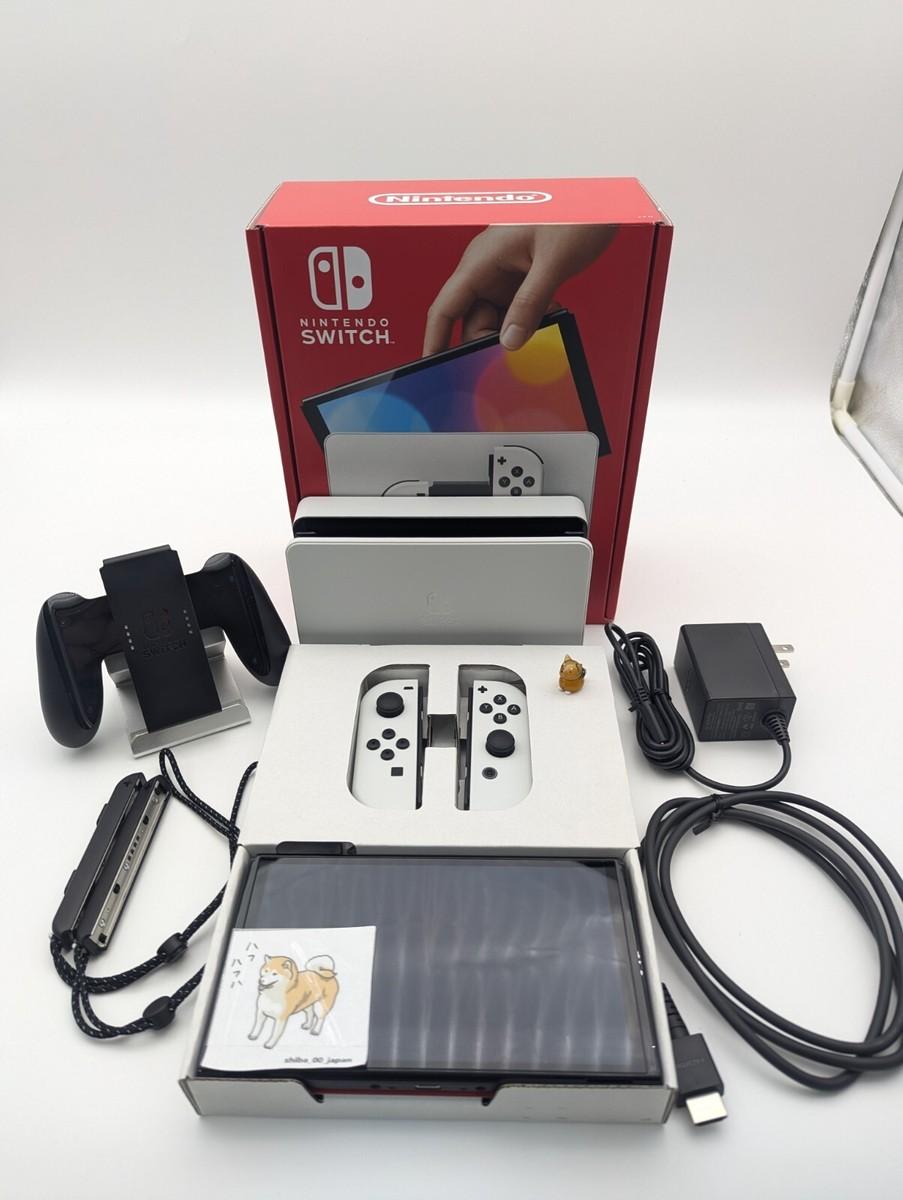
一场原本足以拖垮公司的百亿级移动败局,在黄仁勋干净利落的断腕与乾坤大挪移之下,不仅没有伤筋动骨,反而意外孵化出了“智能汽车”与“掌上主机”两棵枝繁叶茂的摇钱树。
A mobile defeat on the scale of ten billion dollars, one that could have dragged the whole company under — under Huang's clean severing of the wrist and his grand transposition of fortunes, it not only left the bones and sinews unbroken, it hatched, against all expectation, two luxuriantly leafed money trees: the "intelligent automobile" and the "handheld console."
回望2006年至2012年这六年光阴,那大概是黄仁勋三十三年执掌生涯中最像“西西弗斯推石上山”的岁月。他在华尔街的嘲笑声中忍受着个位数的低迷股价,扛过了显卡门的巨额赔偿,咽下了错失智能手机时代的苦果,年复一年地用游戏卡的利润去浇灌CUDA那片寸草不生的荒漠。
Look back across the six years from 2006 to 2012: they were, of all Huang's thirty-three years at the helm, the years that most resembled Sisyphus rolling his stone up the mountain. He endured a share price pinned to single digits under Wall Street's jeers, shouldered the vast reparations of Bumpgate, swallowed the bitter fruit of missing the smartphone era, and year after year watered the barren desert of CUDA with the profits of the gaming cards.
那时的世人只看到一个偏执的显卡商人在四处碰壁;却没有人听见,在北美大陆东北角的一间大学实验室里,地壳深处积蓄了整整十年的熔岩已经顶破了最后一层岩壳。
The world then saw only a stubborn graphics merchant battering at every door; but no one heard that, in a university laboratory in the northeastern corner of the North American continent, the lava that had gathered for ten full years deep in the earth's crust had already burst through the last shell of rock.
2012年9月30日,意大利佛罗伦萨,欧洲计算机视觉国际会议(ECCV)的ImageNet挑战赛结果揭晓现场。
September 30, 2012. Florence, Italy — the scene where the results of the ImageNet Challenge were unveiled at the European Conference on Computer Vision (ECCV).
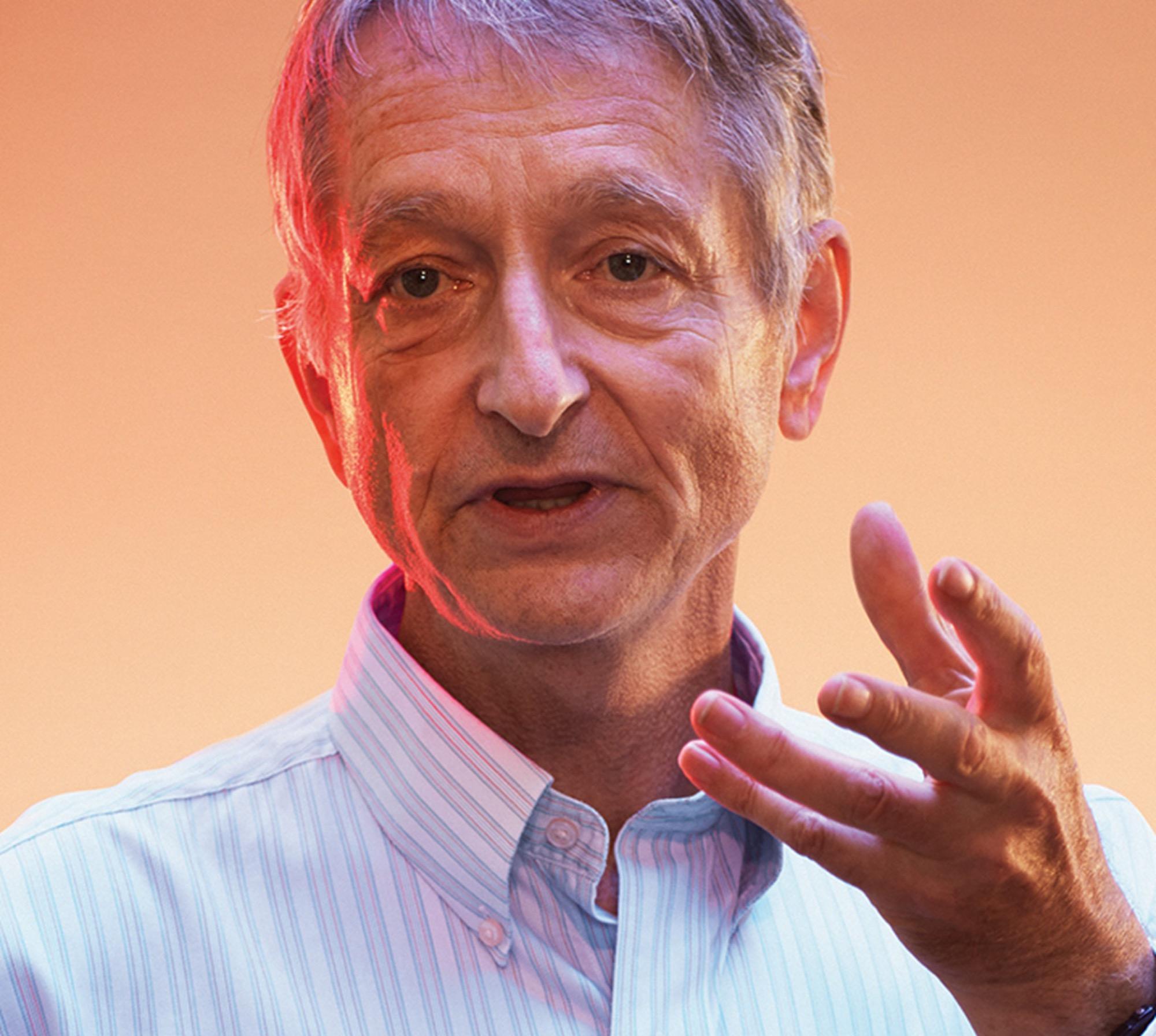
当多伦多大学六十四岁的怪才教授杰弗里·辛顿(Geoffrey Hinton)带着他的两个学生公布那组碾压全场的图像识别错误率曲线时,全场数百名人工智能学者瞠目结舌。而在技术论文不起眼的硬件配置栏里,静静地写着一行字:“本神经网络模型在两块NVIDIA GeForce GTX 580 3GB显卡上训练完成。”
When Geoffrey Hinton, the sixty-four-year-old maverick genius professor from the University of Toronto, stepped forward with his two students and unveiled that image-recognition error-rate curve that crushed the entire field, the several hundred artificial-intelligence scholars in the hall were struck dumb. And in the unremarkable hardware-configuration column of the technical paper, one line sat quietly: "This neural network model was trained on two NVIDIA GeForce GTX 580 3GB graphics cards."
消息传回加州圣克拉拉的那一天,四十九岁的黄仁勋站在办公室巨大的落地窗前,看着窗外阳光灿烂的硅谷天际线,浑身的血液仿佛在同一秒沸腾燃烧起来。
The day the news reached Santa Clara, California, forty-nine-year-old Huang stood before the immense floor-to-ceiling window of his office, gazing out at the sunlit Silicon Valley skyline, and the blood in his whole body seemed to seethe and catch fire in that very same second.
他苦等了整整六年的东风,终于吹到了太平洋岸边。从这一刻起,英伟达将彻底撕掉“游戏显卡公司”的旧标签,化身新工业革命的核反应堆,朝着四万亿美元的巅峰与深渊全速狂飙。
The east wind he had waited six full years for had at last blown through to the shore of the Pacific. From this moment on, NVIDIA would tear away, once and for all, the old label of "gaming graphics company," transform itself into the nuclear reactor of a new industrial revolution, and hurtle flat-out toward the summit — and the abyss — of four trillion dollars.